




Blog / Used Car Buying Tips

How to Test Drive a Car

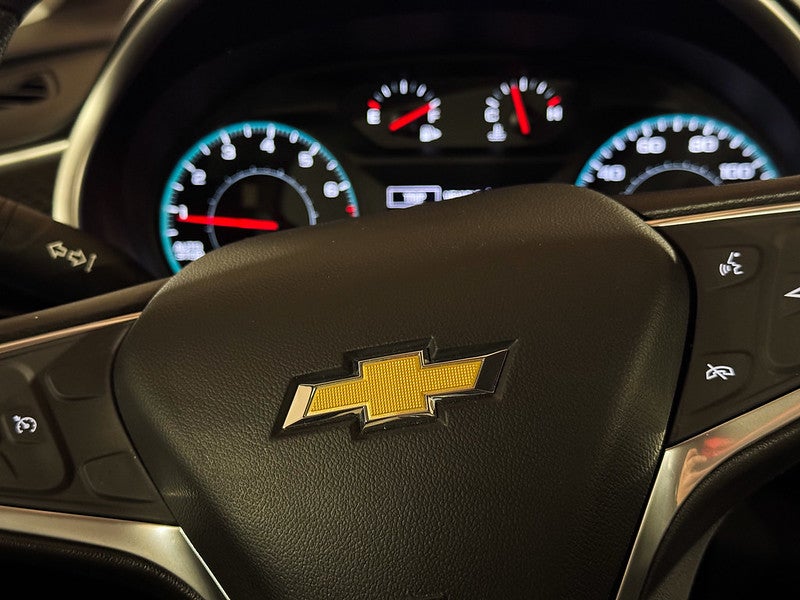
Chevy logo on car steering wheel

A test drive is your chance to ensure a car meets your needs and expectations. While specifications, features, and online reviews are helpful, nothing compares to sitting behind the wheel. Driving experience is often decisive in rejecting or purchasing a vehicle. Whether it's a brand-new Chevrolet Silverado or a pre-owned Traverse, the test drive is your opportunity to verify the car's performance, comfort, and suitability for your lifestyle. At Monument Chevrolet in Pasadena, Texas, we aim to make this experience informative and enjoyable. Let's discover how to test-drive a car so you can make an informed purchase decision.

How To Prepare for a Car Test Drive
Chevy Logo on Steering Wheel

Preparation is critical to maximizing the benefits of a test drive. Read on to discover what you should do to set yourself up for success.

Research the Models You're Interested In

Start by narrowing down your choices. Research the cars you're considering to understand their features, price points, and unique selling points. Pay attention to reviews highlighting performance, reliability, and comfort. For example, if you're looking for a family-friendly SUV, compare the Chevrolet Equinox with similar models. Understanding what differentiates your options ensures your test-drive focuses on what matters to you.

Know What You Need To Bring

Understanding the requirements to test-drive a car can save you time. Most dealerships, including Monument Chevrolet, require:

  • A valid driver's license
  • Proof of insurance (sometimes)
  • A driver at least 18 or 21 years old, depending on dealership policy

Set Up an Appointment

Scheduling a test-drive ensures the vehicle is ready when you arrive. Online, hassle-free scheduling options are often available.

Create a Test-Drive Checklist

Think about whether you prioritize fuel efficiency, comfort, or technology. A detailed test-drive checklist ensures you don't overlook critical aspects, such as:

  • Seat comfort and adjustability
  • Visibility from the driver's seat
  • Ease of using infotainment systems

Key Steps During the Test-Drive Process

A test-drive is your opportunity to experience the car in real-world conditions. Here's how to make the most of it:

  • Inspect the vehicle: Before getting in, walk around the car and examine its exterior. Check for build quality and paint finish, tire condition, and headlight and taillight placement and visibility.
  • Get comfortable in the driver's seat: Once inside, adjust the seat, steering wheel, and mirrors. Ensure the controls are intuitive and reachable. Check the legroom for yourself and potential passengers. See how easy it is to enter and exit the vehicle.
  • Familiarize yourself with the features: Take time to explore the car's technology. Test the infotainment system's responsiveness and the display screen's clarity. Check the functionality of features such as Apple CarPlay, any navigation system, and climate control.
  • Focus on performance: Pay attention to how the car handles various driving scenarios. 

Here's what to look for when test-driving a car:

  • Acceleration: Does the vehicle respond promptly when you press the gas pedal?
  • Braking: Are the brakes working smoothly with no grinding or squeaking?
  • Steering and handling: Is the steering responsive, and does the car feel stable on turns?

Evaluate Comfort and Ride Quality

Consider how the car feels over bumps or rough patches and whether it offers a quiet and comfortable ride.

Test in Different Conditions

Try to include varied driving scenarios during your test-drive. For example:

  • Highway driving to test speed and acceleration
  • Stop-and-go city traffic to gauge handling and braking
  • Parking in tight spaces to assess maneuverability

After the Test Drive: Making an Informed Decision

Once the test-drive is complete, it's time to evaluate and decide. Here are some tips to help you make an informed decision:

  • Review your notes: Refer to your checklist to ensure the vehicle meets your criteria. Compare it to other cars you've test-driven to identify your favorite.
  • Ask detailed questions: If you have lingering questions, now's the time to address them. You may want to ask about warranty coverage, additional packages or features, and financing options.
  • Consider your needs and budget: Think about whether the car aligns with your long-term needs. Does it fit your budget? Will it require additional costs, such as premium fuel or regular maintenance?
  • Assess the dealership experience: The dealership and personnel play a crucial role in your satisfaction.

Common Mistakes To Avoid During a Test-Drive

Even a well-prepared test-drive can fall short. Here are some common, avoidable missteps to watch out for:

  • Rushing the process: Don't give in to time pressure and overlook key details.
  • Ignoring passenger comfort: If you frequently drive with passengers, consider their experience as well.
  • Skipping important features: Test all the features you'll likely use, such as adaptive cruise control, backup cameras, or lane-keeping assist.
  • Focusing solely on looks: A car may look stunning, but performance and comfort matter more in the long run.

Why Test-Drive a Car Before Buying?

You should absolutely test-drive a car before buying. A test-drive provides insights a spec sheet or online reviews simply won't have, such as how the car feels on the road and how well it fits your lifestyle. Many buyers visit multiple dealerships and drive several vehicles to make an informed purchase.

Test-Drive a New Chevy in Pasadena Today

At Monument Chevrolet in Pasadena, Texas, we make the test-drive process seamless and enjoyable. Whether you're considering a new Chevy or a pre-owned vehicle, our team is here to help. Here are a few reasons to choose Monument Chevrolet:

  • A diverse inventory of new and used vehicles
  • Knowledgeable sales staff to guide you through every step
  • Convenient test-drive scheduling options

Take the First Step Toward Your Dream Car

Schedule a test drive with us today and discover why many drivers trust Monument Chevrolet for their automotive needs. Whether it's the Silverado or the stylish Traverse, we'll help you find the perfect match. With proper preparation and attention to detail, a test drive can confirm your choice or redirect you to a better option. Following these expert tips ensures you make a confident, informed decision. Call us at 713-581-8123 or complete our secure online form to get started.

Image by Tony Webster is licensed with CC BY 2.0 DEED
Posted in:

Related Posts

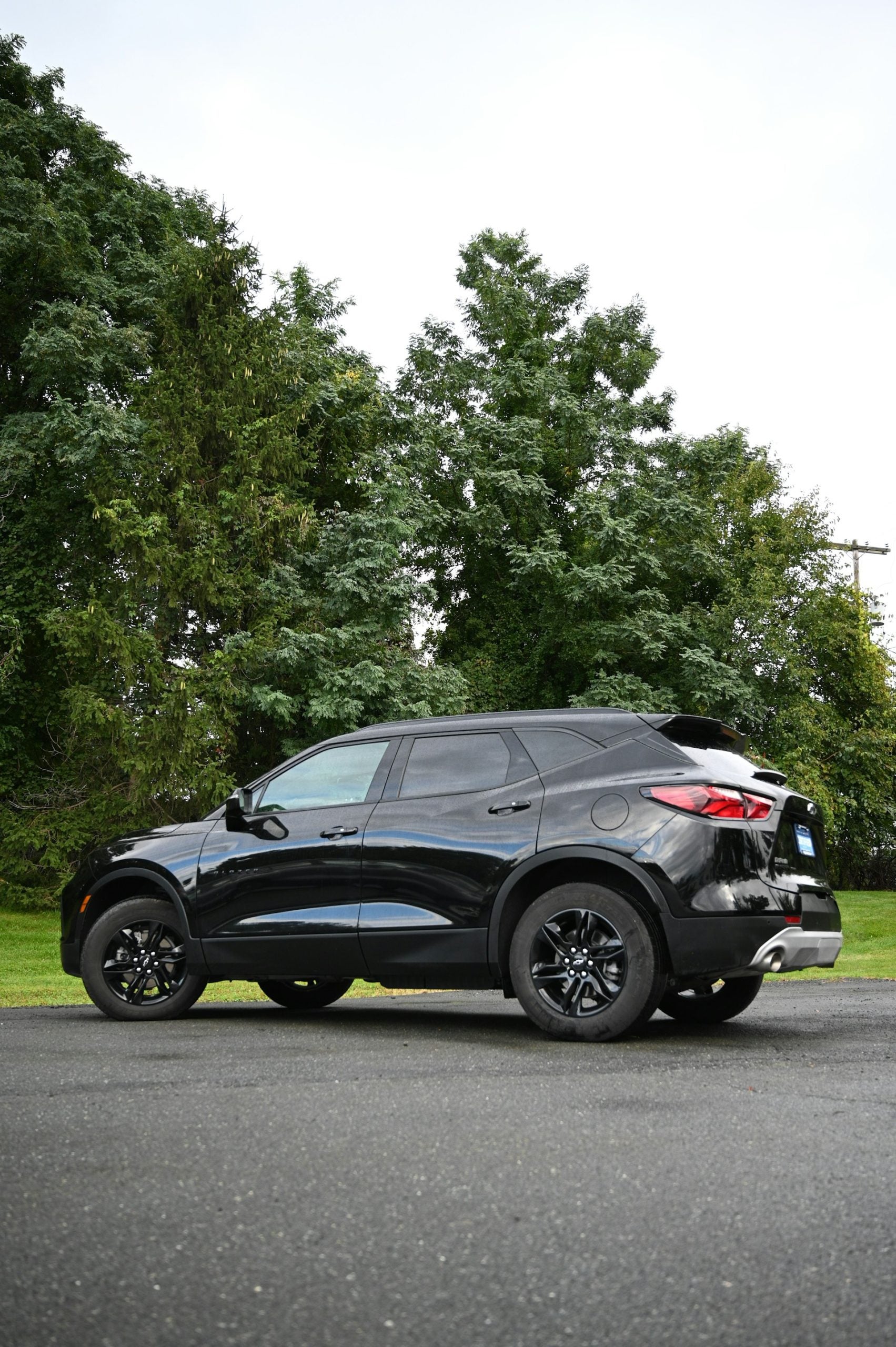
Used Chevy Trailblazer

When Is the Best Time to Trade In a Car in Pasadena, TX?

Knowing when to trade in your car can mean the difference between walking away with a great deal or leaving money on the table. For drivers in Pasadena, TX, that decision involves more than just checking your mileage or flipping through a calendar. It takes a clear-eyed look at market timing, your vehicle's depreciation curve, and your own financial situation. Get the timing right, and you'll maximize your trade-in value while setting yourself up for a smoother transition to your next vehicle. If you're ready to find out what your car is worth, contact us at Monument Chevrolet to request an appraisal. Why Trade-In Timing Can Make or Break Your Next Deal Most people focus on what car they want next. But when you trade in your current vehicle matters just as much as the deal you negotiate on the new one. Dealership demand for used inventory fluctuates throughout the year, and those shifts directly affect what you'll be offered. Trading in during peak demand periods, when dealers are actively trying to restock their lots, puts you in a much stronger negotiating position. Market conditions, seasonal consumer behavior, and your vehicle's depreciation curve all intersect to create windows of opportunity worth paying attention to. Understanding when those windows open is the first step toward a smarter trade-in decision, whether you're upgrading to a new vehicle or simply ready for a change. Ready to see where your current vehicle stands? Get your trade-in value in minutes and find out what your car is worth today. How Many Years Should You Drive a Car Before Trading It In? Age is one of the most reliable indicators of trade-in value, but it doesn't tell the whole story on its own. A vehicle's worth follows a pretty predictable depreciation curve, and knowing where your car sits on that curve helps you act at the right moment. The 3–5 Year Mark: Peak Value With Room to Negotiate The sweet spot for trade-in value generally falls between three and five years of ownership. By this point, your car has cleared the steepest phase of early depreciation while still holding onto a meaningful portion of its original value. Vehicles in this age range are highly attractive to us because they're recent enough to appeal to buyers who want something newer, but already past that sharp initial drop in worth. If you're wondering how long to keep a new car before trading it in, this window is where the math usually works most in your favor. Your car is still in solid mechanical shape, the technology is relatively current, and buyers respond well to it. Years 6–10: When Depreciation and Repair Costs Start Working Against You Once your vehicle crosses the five-year mark, the calculation starts shifting. Beyond year six, maintenance and repair costs often begin climbing in ways that eat into any remaining equity. Buyers get more selective, and dealers factor potential reconditioning expenses into their offers. That typically means lower numbers for you. That said, trading in between years six and ten isn't necessarily a losing proposition. If your vehicle has been well-maintained and has lower-than-average mileage, it can still command a respectable offer. The key is acting before repair costs escalate to the point where they start outpacing what the vehicle is actually worth. Mileage Benchmarks That Signal It's Time to Trade In Mileage is often the first thing we look at when you pull in for an appraisal. It's a direct reflection of how much the vehicle has been used and signals where the car sits in terms of remaining life expectancy. Under 60,000 Miles: The Sweet Spot for Maximum Value Vehicles under 60,000 miles are generally the most desirable on the used market. Wear and tear is typically modest at this stage, major components are still well within their service life, and buyers feel confident about what they're getting. For us, these vehicles are easier to certify, easier to sell, and carry fewer reconditioning risks. All of that translates into stronger offers for you. If your car is approaching 60,000 miles and you've been thinking about a trade, that milestone is worth keeping in mind. Trading in before you cross it can make a noticeable difference in your pocket. 75,000–100,000 Miles: Approaching the Tipping Point The 75,000 to 100,000-mile range is where buyer hesitation starts to creep in. Concerns about potential repairs, questions about longevity, and the general perception of heavy use all factor into how we price vehicles at this level. Trade-in offers tend to drop here, and that gap widens as you push closer to six figures on the odometer. If your car is in excellent condition and nearing this range, sooner is almost always better than later. Waiting until you've crossed 100,000 miles rarely improves your position. Seasonal and Market Timing: When Dealers Are Ready to Deal Beyond age and mileage, the time of year can genuinely shift how much we're willing to offer. Use the table below as a quick reference for when trade-in leverage tends to be strongest: Time of Year Mileage Range Market Demand Trade-In Leverage Recommended Action Mid-March through May (Spring) Under 60,000 miles Peak Highest Best window to trade in June (Early Summer) Under 60,000 miles High Strong Good window, act before summer dip End of month/quarter/year Any Varies Strong (dealer incentives) Leverage dealer quota pressure Late Fall/Winter (Nov–Feb) Any Lowest Weakest Avoid if possible; wait for spring Spring and early summer are widely considered the best time of year to trade in a car. Tax refund season boosts consumer activity, the weather makes car shopping more appealing, and we're actively trying to restock inventory ahead of the summer buying surge. That creates a seller-friendly environment where competitive offers are more common. Late summer and fall shift the dynamic. As manufacturers begin releasing new model years, older model trade-ins can see lower valuations to make room for fresh inventory. Late fall and winter follow a similar pattern, with slower consumer demand reducing any urgency on our side to offer top dollar. Local factors in Pasadena, TX matter here too. The Greater Houston market has its own rhythm, and working with a dealership that knows Gulf Coast conditions gives you a real advantage. Texas heat, UV exposure, and humidity affect paint, rubber seals, and undercarriage condition over time, all of which factor into an honest appraisal. Financial and Mechanical Signs You Shouldn't Ignore Sometimes the calendar doesn't drive the decision. Your financial situation and your vehicle's mechanical condition are equally valid reasons to trade sooner rather than later. If repair bills are piling up and you're spending more on maintenance than the car is worth, the trade-in math has likely shifted in your favor. On the financial side, compare your vehicle's current trade-in value against the loan payoff figure on your most recent statement. That tells you whether you're in a positive or negative equity position. Positive equity means your car's market value exceeds what you still owe, which is a favorable position for trading in. Negative equity means you owe more than the car is worth, and rolling that gap into a new loan compounds your costs over time. Acting while positive equity remains gives you more flexibility when financing your next vehicle. On the mechanical side, watch for approaching service milestones. Warranty expiration typically arrives around 36,000 miles for bumper-to-bumper coverage, or 60,000 miles for powertrain coverage. Major upcoming repairs like transmission work or suspension replacements can dramatically affect what we're able to offer. Trade-In vs. Private Sale: What Makes More Sense in Pasadena, TX Both options have real merit, and the right choice depends on your priorities. A private sale can potentially net you more money, particularly if your vehicle is in excellent condition and you're willing to put in the work: listing it, fielding inquiries, arranging showings, handling safety considerations, and managing the paperwork yourself. Trading in is faster and removes most of that friction. You bring the car in, get a written appraisal, and apply the value directly toward your next purchase. We won't claim we always offer the highest price in the market, but the convenience tradeoff is real. No waiting for a buyer, no test drives with strangers, no deals that fall through at the last minute. In Texas, trade-in value can also reduce the taxable amount on your new vehicle purchase, since sales tax is calculated on the sales price minus any trade-in allowance. It's a financial benefit a private sale simply doesn't offer. Before you come in, gather these documents to keep the process moving smoothly: Vehicle title Current registration Service and maintenance records Valid photo ID Loan payoff information (if the vehicle is still financed) Why Trade In Your Vehicle at Monument Chevrolet in Pasadena, TX We've been serving the Pasadena and Greater Houston community for over 50 years. As the only family-owned Chevrolet dealership in the Greater Houston region, we bring a level of personalized service that larger corporate dealers often can't match. Local Market Knowledge Our appraisals are based on current demand and real-world conditions in this part of Texas, not generic national averages. We understand how Gulf Coast climate factors affect vehicle condition, and our offers reflect that context honestly. Transparent, Straightforward Process Our commitment to clear pricing and no hidden fees means the written offer you receive is easy to understand. From there, we'll help you apply that value toward new vehicles or used vehicles, depending on what fits your needs and budget. Ready to Trade In? Contact Monument Chevrolet Today If you've been weighing when the best time to trade in a car actually is, the information above gives you a solid foundation for making that call. Whether your vehicle is approaching a key mileage threshold, heading into a season when trade-in values peak, or starting to cost more in repairs than it's worth, acting at the right moment makes a real financial difference. Start Your Appraisal Process We're ready to evaluate your vehicle with no pressure. Request an appraisal online and we'll walk you through every step of the process from your first question to your final offer. Photo by J Z on Unsplash

Car salesman talking to a customer about a used vehicle

Questions To Ask When Buying a Used Car

Buying a used car can be an exciting but nerve-wracking experience, especially if you're not sure what to look out for. Whether you're a first-time buyer or a seasoned car owner, asking the right questions can help you make an informed decision. At Monument Chevrolet in Pasadena, Texas, our team is here to support you every step of the way. Below, we've outlined key questions to ask when buying a used car to ensure you drive away happy and satisfied. more Shop Used Cars What Is the Car Worth? It's important to determine the actual value of the car you are interested in, as this can help you get a good deal on a used car. You can look up the value of the car on a reliable website such as Kelley Blue Book or Edmunds. If the seller is asking for a price exceeding the car's value, you don't have to immediately walk away. Instead, consider negotiating with them for a more reasonable price. They may be unwilling to negotiate, but there's no harm in trying. What's the Car's Mileage? This question is essential because the mileage provides valuable insight into the vehicle's overall wear and tear. A car with high mileage has experienced more wear on its engine, transmission, and other key components, potentially leading to higher maintenance costs and a shorter remaining lifespan. A car with lower mileage, on the other hand, may still have many years of reliable service ahead. Understanding the mileage can also help you assess whether the asking price is fair and competitive in the market. Knowing the car's mileage helps you make an informed decision, balancing your budget and the vehicle's long-term dependability. How Old Is the Vehicle? Before purchasing a used car, it's important to know how old it is. Cars depreciate significantly; in fact, most new cars lose about 60% of their value in the first five years. For instance, a car bought for $30,000 five years ago may now be valued at around $12,000. So, before you head to the dealership, research and determine the car's age. This knowledge can help you assess if the car's value is still decreasing or if most of the depreciation has already occurred. Plus, you can use the car's age and how its make and model lose value over time to your advantage when negotiating a better price. Does the Car Come With a Vehicle History Report? Knowing the car's history report provides invaluable insights into its past, including previous ownership, accident history, service records, and any reported damage or title issues. By reviewing this information, you can identify potential red flags, such as consistent mechanical problems or undisclosed accidents that might affect the car's safety and reliability. Additionally, a clean vehicle history report can enhance your confidence, knowing that the vehicle has been well-maintained and is less likely to present hidden problems. Are There Any Mechanical Issues? Before finalizing the purchase and paying a significant amount of money, it's important to ensure that the car is free from any mechanical issues. The last thing you want is to discover a week later that the engine is leaking fluids. Inquire with the dealer if you can arrange for a mechanic to conduct a private inspection to confirm that everything is in good condition. If they refuse this request, it should raise major red flags in your mind. Is There Any Damage to the Car's Exterior? We understand that appearances aren't everything, but they still matter. Here are a few things to look for: Car's bodywork, paint, and frame: Keep an eye out for any scratches, dents, or rust on the car's surface. Wheels and tires: Inspect each wheel for any signs of damage or bending. Also, make sure to assess the condition of the tires and check if they need replacement before purchasing the car. Windshield, lights, rearview mirror, and side mirrors: Look for chips or cracks on the windshields and check if the headlights appear foggy or discolored. Also, make sure the rearview and side mirrors function properly and without any obstructions. While it's crucial to prioritize purchasing a vehicle that's mechanically sound, significant issues on the car's exterior — such as a rear bumper secured with duct tape or extensive rust marks on the car door — can provide valuable insights into how well the previous owner maintained the car. What Does the Car's Interior Look Like? The condition of the car's interior can provide valuable insights into how well the previous owner maintained the vehicle. Here are some of the things to look for: Look for signs of wear and tear: These include cracked or torn upholstery, damaged door panels, and a worn steering wheel. Check the controls: Make sure all the buttons, switches, and knobs are functioning properly, and check if the air conditioning and heating systems are working efficiently. Examine the dashboard indicators: Check the dashboard for any warning lights or indicators that may suggest underlying issues. This can help you identify potential problems that could affect the car's performance and safety. Additionally, pay attention to the cleanliness of the interior, as it can give you an idea of how well the car was cared for overall. Drive Home Your Dream Car at Monument Chevrolet Buying a used car doesn't have to be daunting. By asking the right questions, you can ensure you make a smart and confident purchase. At Monument Chevrolet in Pasadena, Texas, our team is here to help you find the perfect vehicle. Visit our store, take a test drive, and explore our used vehicle specials to find the best deals. We look forward to helping you drive home your dream car. Shop Used Cars Image by Antoni Shkraba is licensed with Pexels License