


Blog / Commercial

Texas Commercial Vehicle Regulations

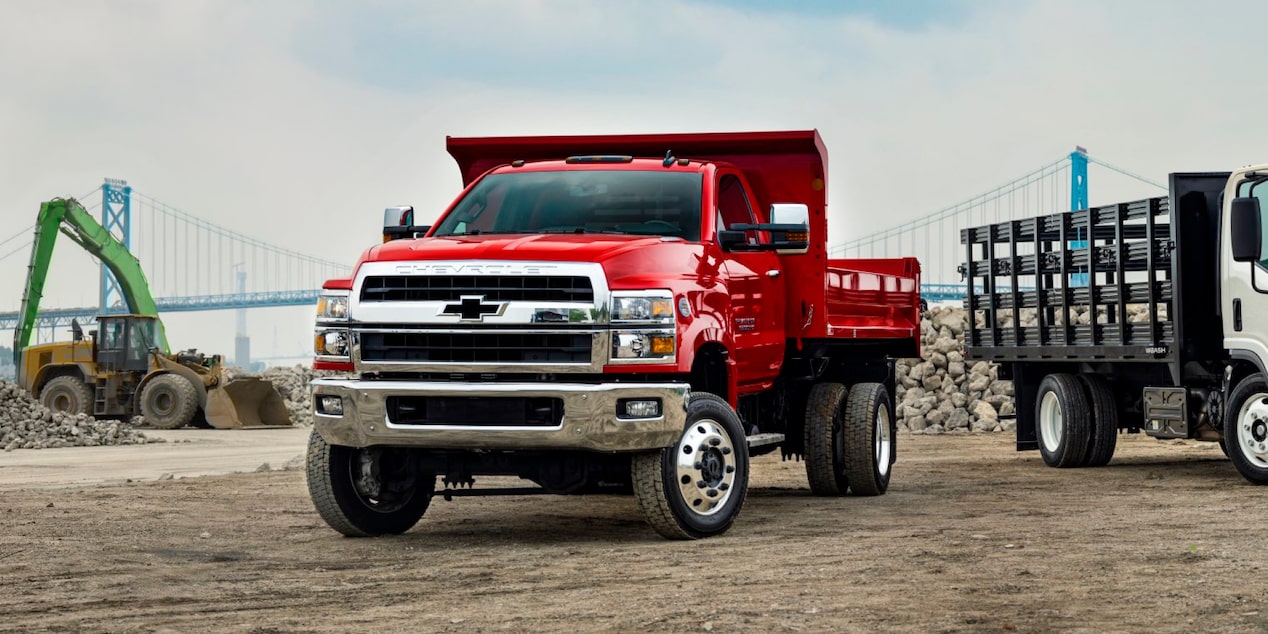
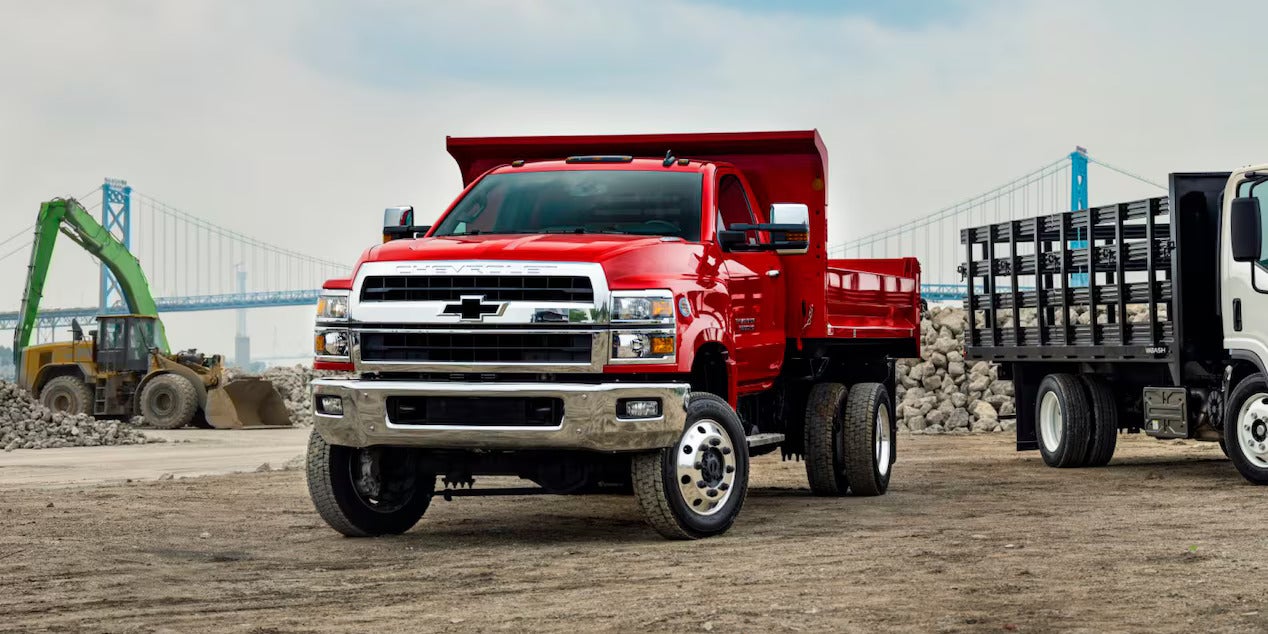
Commercial Chevy vehicle in Texas

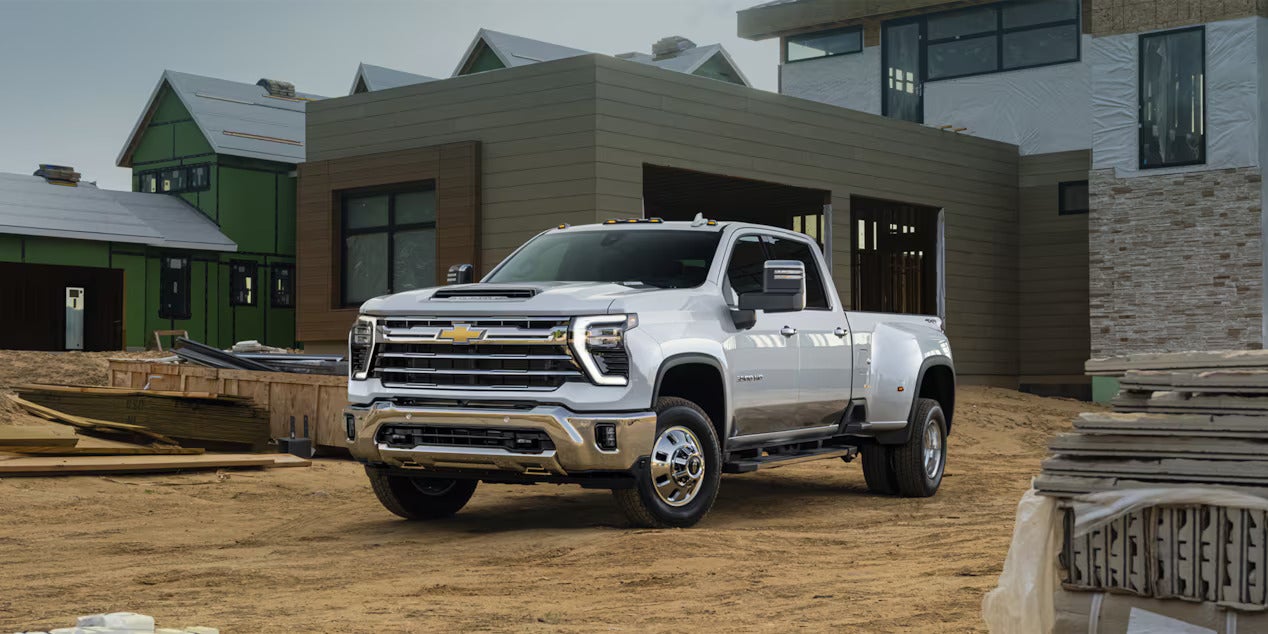
If you're a Houston resident who owns or is considering the purchase of a commercial vehicle, it’s essential to understand the rules and regulations that come with it. Texas has a well-defined set of laws that govern the operation, licensing, inspection, and maintenance of commercial trucks. Whether you're driving a heavy-duty Chevy Silverado 3500 for your construction business or managing a fleet of box trucks for deliveries, staying compliant isn't just about avoiding fines—it's about safety, accountability, and long-term success.

From federal oversight to state-specific requirements, the regulations can seem overwhelming at first. But having a solid grasp of the basics will help you make smart decisions and keep your business running smoothly. Let’s break down the key commercial vehicle regulations in Texas that every current or future commercial truck owner should know.

Federal Regulations

Texas commercial vehicle operators must comply with the Federal Motor Carrier Safety Regulations (FMCSRs), established by the Federal Motor Carrier Safety Administration (FMCSA). These rules cover everything from driver qualifications and vehicle maintenance to hours-of-service limits and safety equipment requirements.

If your vehicle is over 10,000 lbs. or you're involved in interstate commerce, these federal regulations apply to you. This includes keeping detailed records, conducting routine inspections, and ensuring your drivers are properly trained. Even if you operate within Texas, many of these federal rules still apply due to the size or purpose of your vehicle.

Understanding FMCSA guidelines helps reduce liability and promotes safer roadways—something every commercial vehicle owner should prioritize.

State Regulations

The Texas Department of Public Safety (DPS) has a dedicated Commercial Vehicle Enforcement (CVE) division. Their job is to ensure that all commercial vehicles operating in Texas are in compliance with both state and federal laws. Officers perform roadside inspections, enforce weight limits, and monitor hazardous material transport.

One key point to remember: any vehicle with a gross weight rating of 26,001 lbs. or more, or a vehicle used to transport hazardous materials, will be subject to more stringent inspections. Regular maintenance, proper signage, and compliance with load regulations are essential to avoid costly penalties.

In short, DPS enforcement is serious about commercial vehicle safety—and being prepared helps you avoid delays and fines.

Commercial Driver’s License (CDL) Requirements

If you're planning to operate a larger commercial vehicle, you’ll likely need a Commercial Driver’s License (CDL). In Texas, a CDL is required for:

  • Vehicles with a gross vehicle weight rating (GVWR) of 26,001 lbs. or more
  • Vehicles designed to transport 16 or more passengers
  • Vehicles used to transport hazardous materials

There are three classes of CDL—Class A, B, and C—depending on the type and weight of the vehicle you're driving. Each class has different testing, training, and medical certification requirements. It’s also important to stay current with any endorsements you may need, such as for air brakes or tanker vehicles.

Before you invest in a commercial truck, it's crucial to ensure you or your drivers have the proper licensing in place.

Inspections and Maintenance Requirements

All commercial vehicles in Texas are subject to annual safety inspections. The Texas Department of Public Safety Vehicle Inspection (Form VI-82) outlines the specific criteria that commercial vehicles must meet, including brakes, lights, tires, steering, suspension, and more.

Fleet managers and truck owners are expected to keep accurate maintenance records and ensure all repairs are completed in a timely manner. If your vehicle doesn't pass inspection, it can't be legally operated until it's brought up to standard.

Keeping your truck in top shape isn't just a regulatory issue—it's also a safety and operational priority. That’s why working with a dealership like Monument Chevrolet, which offers certified commercial truck repair and OEM parts, can help you stay compliant and avoid downtime.

Hours of Service (HOS) Regulations

Texas follows Hours of Service (HOS) regulations for commercial drivers to reduce driver fatigue and increase roadway safety. These rules limit how long a driver can operate a vehicle without taking a break. For example:

  • Drivers can drive a maximum of 11 hours after 10 consecutive hours off duty
  • They cannot drive beyond the 14th hour after coming on duty
  • A 30-minute break is required after 8 hours of driving
  • Drivers must take 34 consecutive hours off duty to reset their weekly limit

These rules apply to most long-haul and delivery drivers, and failure to comply can result in fines, citations, and increased liability in the event of an accident. Keeping accurate driving logs—whether digital or manual—is crucial to staying compliant.

Shop Commercial Trucks in Pasadena, TX

Texas has a wide array of commercial vehicle regulations, and whether you’re already behind the wheel or shopping for your first truck, it’s important to know the rules. From federal safety standards to state inspections and licensing, understanding these regulations helps you stay compliant, protect your business, and keep everyone safe on the road.

If you’re in the market for a dependable commercial truck, or if you need parts and repairs for your current fleet, Monument Chevrolet in Pasadena, TX, is here to help. We offer a wide selection of new Chevy commercial trucks, genuine OEM parts, and expert repair services tailored specifically for hardworking vehicles like yours.

Contact our team today or schedule a service appointment to keep your business moving forward—safely, legally, and confidently.

Image courtesy of Chevrolet
Posted in:

Related Posts

2025-hdcommercial-masthead-01

2025 Silverado 2500 MPG: Gas vs. Diesel Comparison

If you're comparing a gas vs. diesel 2025 Chevrolet Silverado 2500 HD, fuel use is only one part of the decision. Engine torque, towing needs, driving distance, fuel prices, maintenance, and how often you put the truck under load can all affect which powertrain makes more sense. Below, the Monument Chevrolet team in Pasadena, Texas, compares the 2025 Chevrolet Silverado 2500 HD gas and diesel engines, including what you should know about real-world MPG, capability, and ownership considerations. 2025 Silverado 2500 HD Gas vs. Diesel Engines The 2025 Silverado 2500 HD offers two 6.6-liter V8 engine choices. Both are paired with an Allison 10-speed automatic transmission, but their output and driving characteristics are different. 6.6L Gas V8 401 horsepower 464 lb-ft of torque Allison 10-speed automatic transmission The gasoline engine can make sense for drivers who want heavy-duty truck capability without choosing the available diesel powertrain. 6.6L Duramax Turbo-Diesel V8 470 horsepower 975 lb-ft of torque Allison 10-speed automatic transmission The Duramax provides substantially more torque, which can make it an attractive option for frequent heavy towing and demanding commercial use. Towing ratings vary by cab, bed, drivetrain, wheel, axle, and trailering configuration. If towing capacity is a major factor in your purchase, review the rating for the exact truck you are considering rather than relying on a single maximum number for every Silverado 2500 HD. Does the 2025 Silverado 2500 HD Have an Official MPG Rating? No official EPA MPG figure is published for the Silverado 2500 HD. Heavy-duty pickups in this weight class are not subject to the same EPA fuel-economy testing used for lighter passenger vehicles. That means there isn't one official city, highway, or combined MPG number you can use to compare every 2025 Silverado 2500 HD gas and diesel configuration. Real-world fuel economy can vary significantly depending on the truck's configuration, driving speed, traffic, terrain, temperature, payload, trailer weight, tire setup, and driving habits. Gas Silverado 2500 HD Fuel Economy Because there is no EPA rating, gas-engine MPG should be treated as a real-world variable rather than a fixed specification. A truck used primarily for unloaded highway driving may return very different fuel economy than the same powertrain used for frequent towing, stop-and-go traffic, or jobsite operation. For buyers comparing the gas engine with the Duramax, consider how much of your driving will involve heavy loads versus everyday transportation. Fuel economy matters, but the initial vehicle cost and the type of work you expect the truck to perform should also be part of the decision. Diesel Silverado 2500 HD Fuel Economy The available Duramax diesel produces considerably more torque than the gas engine and is designed to support demanding heavy-duty applications. That additional torque is especially relevant for buyers who frequently tow or haul. Third-party road tests can provide examples of real-world diesel MPG, but they should not be treated as an official rating for every 2025 Silverado 2500 HD. Different trims, tires, drivetrains, speeds, loads, and road conditions can produce different results. If a diesel powertrain fits how you use your truck, you can also explore Monument Chevrolet's diesel truck inventory. What Affects Silverado 2500 HD Fuel Economy? Whether you choose gas or diesel, several factors can influence how much fuel your truck uses. Towing and payload: Pulling a trailer or carrying additional weight generally requires more engine power and fuel. Driving speed: Higher highway speeds can increase aerodynamic resistance and fuel consumption. Stop-and-go driving: Frequent acceleration and braking can reduce fuel efficiency compared with steady highway operation. Terrain: Hills, jobsite conditions, and uneven roads can increase engine load. Tire pressure and condition: Properly maintained tires can help the truck operate as intended. Vehicle configuration: Drivetrain, cab, bed, tires, equipment, and accessories can affect weight and fuel use. Maintenance: Following the maintenance guidance for your specific truck can help support proper engine and vehicle operation. If your Silverado needs maintenance or inspection, visit the Monument Chevrolet service center for available maintenance and repair resources. Gas vs. Diesel: Which Silverado 2500 HD Is Better for You? Consider the Gas V8 If You: Want a heavy-duty truck but do not require the Duramax's additional torque. Use the truck for a mix of daily driving, hauling, and occasional trailering. Want to compare the purchase and operating costs of the standard gas powertrain with the available diesel. Consider the Duramax Diesel If You: Frequently tow or haul demanding loads. Place a high priority on available torque. Use your truck regularly for commercial or heavy-duty work. Are comparing powertrain choices for longer-distance or high-load driving. Neither engine is automatically the better choice for every driver. The right Silverado 2500 HD depends on your workload, driving pattern, budget, and the configuration required for the job. Consider Total Ownership Costs, Not MPG Alone When comparing a Silverado 2500 gas vs. diesel, MPG should not be the only ownership factor you evaluate. Consider the vehicle's purchase price, current fuel prices, how many miles you expect to drive, how often you'll tow, maintenance requirements, and the equipment or configuration your work requires. Those variables can change the financial comparison substantially from one owner to another. If you're planning a purchase, visit our finance center to learn about available financing options or start the pre-approval process online. Frequently Asked Questions About Silverado 2500 HD MPG What is the MPG of a 2025 Chevy Silverado 2500 HD? The 2025 Silverado 2500 HD does not have an official EPA city, highway, or combined MPG rating. Actual fuel economy varies based on the engine, vehicle configuration, driving conditions, load, towing, speed, and other factors. Does the diesel Silverado 2500 get better MPG than the gas model? There is no official EPA MPG comparison for these heavy-duty configurations. Real-world results vary, so compare how each powertrain performs under the type of driving, towing, and hauling you expect to do. What engines are available in the 2025 Silverado 2500 HD? The 2025 Silverado HD offers a 6.6L gasoline V8 producing 401 horsepower and 464 lb-ft of torque and an available 6.6L Duramax Turbo-Diesel V8 producing 470 horsepower and 975 lb-ft of torque. Is gas or diesel better for towing? The Duramax diesel provides substantially more torque and can be a strong choice for frequent heavy towing. However, exact towing capability depends on the configuration of the individual truck and its trailering equipment. Shop Silverado 2500 HD Trucks at Monument Chevrolet Ready to compare Silverado 2500 HD configurations? Explore available Chevrolet Silverado 2500 HD trucks at Monument Chevrolet in Pasadena. Businesses looking for work-focused trucks can also explore our commercial vehicle resources, while shoppers considering pre-owned options can browse our used truck inventory. Explore Silverado 2500 HD Browse Commercial Inventory Image courtesy of Chevrolet.