



Blog / Car Maintenance Tips

Why Is My Brake Light On?

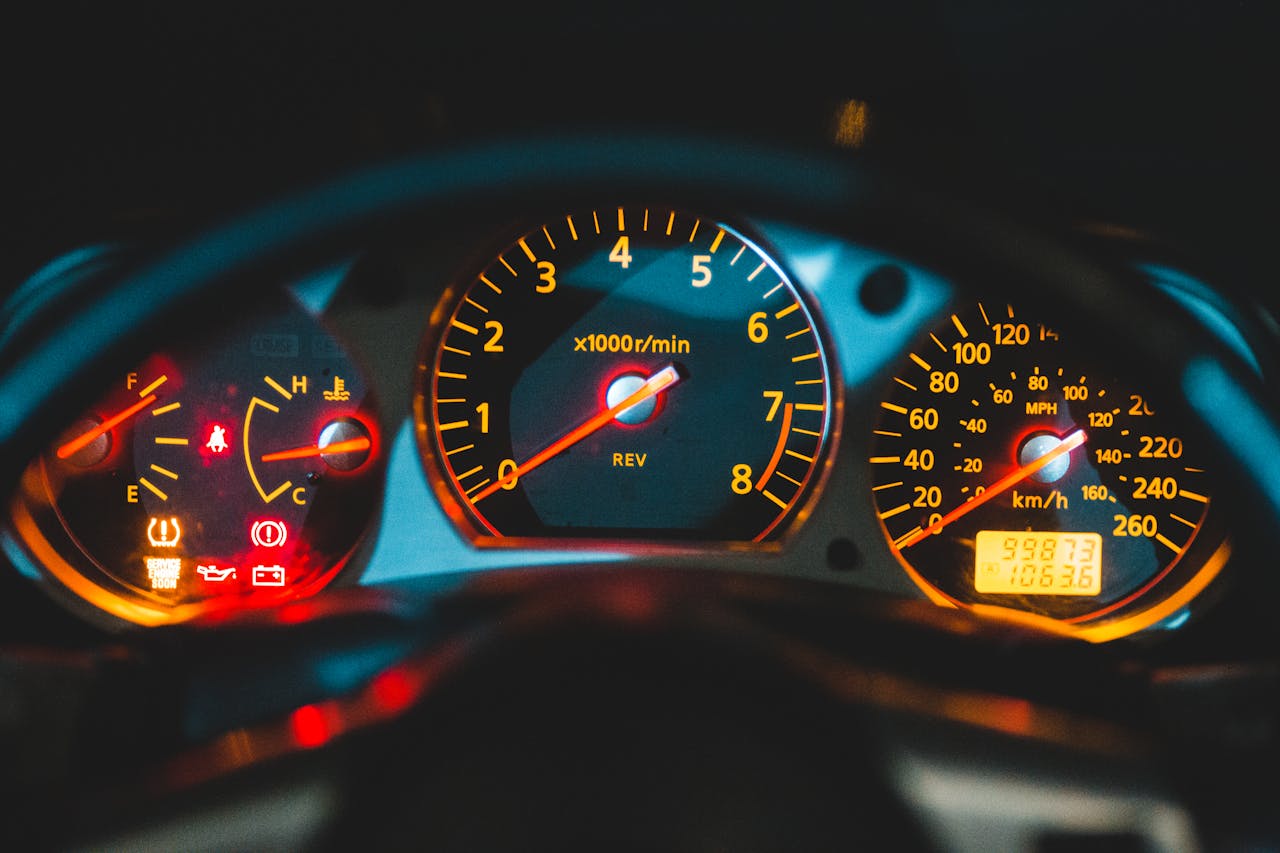
Brake light on the dashboard behind the steering wheel of a car

Seeing your brake light illuminated on the dashboard can be alarming. Your brake system is one of the most crucial components of your vehicle, directly affecting your safety and the safety of others on the road. So, whether you're an experienced driver in Pasadena or relatively new to the road, it's essential to understand what this warning light means and how to address it. Read on to discover why your brake light might be on, what it means when it flickers, and how to fix this issue before it becomes a considerable safety risk.

What Causes the Brake Light on the Dash To Stay On?

The brake light on your dashboard is part of your vehicle's warning system, designed to alert you to potential issues with your braking system. When this light stays on, it often indicates that something isn't functioning as it should. 

Low hydraulic fluid is a common reason why your brake light might come on. If you notice that your brake warning light comes on when you press the brake pedal, your brake fluid is likely extremely low in the master cylinder. The brake master cylinder contains a sensor that monitors the brake fluid level. When the fluid level falls below optimal, this sensor activates the warning light to alert you that the hydraulic system requires urgent attention. 

Low brake fluid levels are a serious concern you should never take lightly. They interfere with your brakes' ability to function correctly, which can be hazardous to yourself, your passengers, and other road users when your vehicle is in motion. 

Your vehicle's brake light may also turn on if your parking brake is engaged. Most vehicles today have a built-in sensor that monitors whether the parking brake is activated. Even if the parking brake is slightly engaged, it can still trigger the brake light to switch on. While driving with your parking brake engaged might not seem like a big deal, it can cause significant damage to your brakes. Doing so creates excess friction, which can cause the brakes to overheat and the brake pads to wear and tear. 

Another reason your brake light may suddenly switch on is a malfunction in the anti-lock braking system (ABS). In many vehicles, the brake light is connected to the ABS. If there's an issue with the ABS, such as a malfunctioning sensor or a problem with the ABS module, the brake light can illuminate.

Why Is My Brake Light Flashing? 

A flashing brake light is usually more urgent than a brake light that stays on continuously. It gets your attention and warns you of potentially severe problems with your braking system. In some vehicles, the brake light will flash if the brake fluid level is critically low. This is an urgent warning to top up your brake fluid or check for leaks. As mentioned before, driving with low brake fluid can lead to brake failure. So, if you suspect your brake warning light is flickering due to low fluid levels, you should refrain from driving your vehicle until you address this issue.

Another common reason your brake lights may flicker is a failure or malfunction in the ABS. In cases like these, the flickering of the brake lights may be accompanied by other warning lights, such as the ABS light or the traction control light. If this happens, you must have your vehicle inspected immediately, as driving without a properly functioning ABS can be dangerous. 

Likewise, your brake lights might start to flicker to alert you if you accidentally engage the emergency brakes when driving. Doing so can cause severe damage to your brakes if not addressed immediately, so be sure to release the emergency brake as soon as possible.

Drawing from our extensive experience at Monument Chevrolet, we've seen what happens when warning signs are left to fester. Minor issues turn into big, costly fixes. We strongly suggest you bring your automobile for a comprehensive check when you see odd cautionary signal patterns. Our service team is excellent at finding the precise cause of flashing brake lights and performing the necessary fixes to keep you safe on the road.

How to Turn Off the Brake Light on Your Dashboard

There are several fixes you can perform to troubleshoot a flickering brake light or turn it off. The first thing you should do once you notice that your brake light is on is check your parking brakes. If they are engaged, releasing them might fix the issue and turn off your brake warning lights.

If your brake lights stay on even after you've disengaged the parking brakes, check the brake fluid level in the braking system. If the brake fluid level is low, carefully add the appropriate type of brake fluid to the reservoir. Be sure to follow the manufacturer's guidelines for the correct fluid type. Once topped off, the brake light should turn off. If it doesn't, there may be a leak or another issue that needs to be addressed by a knowledgeable mechanic.

If you've fully disengaged the parking brakes and there doesn't seem to be a leak in your vehicle's hydraulic system, the issue is likely in the ABS. Resetting your ABS might fix the problem. You can do so by disconnecting the battery for a few minutes and then reconnecting it. Even so, it's always best to consult your vehicle's manual or a professional mechanic for the proper procedure.

It's worth noting that flashing brake lights can indicate more severe issues beyond those discussed here. Therefore,  if your brake warning light continues to stay on or flicker after you've attempted all the fixes, consider getting it checked by a professional.

Ensure Your Safety with Monument Chevrolet

If that brake warning light on your dashboard catches your eye, remember it's not just a diminutive glow but a crucial signal for your road safety. Our skilled technicians our Chevy service center in Pasadena, Texas, are ready to identify and rectify any problems with your brake system. We choose ACDelco Gold or GM original equipment parts because they're made specifically for your vehicle, ensuring optimal performance and durability. Schedule a service appointment with us today, and our expert team will promptly address any issues to get you back on the roads of Houston in no time. Or if you're in the market for used suvs for sale, we've got you covered as well!

Image by Erik Mclean is licensed with Pexels License
Posted in:

Related Posts

Chevy car engine

Why Is My Car Revving in Park?

You're sitting in your driveway, engine running, and the RPM needle keeps climbing or bouncing without warning. Your foot isn't near the pedal, the car's in park, and yet the engine sounds like it's working harder than it should. This happens to plenty of drivers, and while it can look minor at first, figuring out the cause now can save you from a bigger repair bill later. If you'd rather skip the guesswork, you can schedule a service appointment with our certified team. What Does It Mean When Your Car Revs in Park? Idle speed is how fast your engine runs while it's on but the car isn't moving. When everything's working correctly, that idle feels smooth and steady. Once your car starts revving out of nowhere while parked, the engine is flagging a problem with airflow, fuel delivery, or the electronics managing both. Normal Idle RPM vs. Abnormal Revving Most engines idle between 600 and 1,000 RPM under normal conditions. A brief spike right after starting a cold engine is expected, since it needs a minute to warm up. Once the engine reaches operating temperature, idle speed should settle into that normal range. Abnormal revving looks different: a stubborn high idle, a surging pattern where RPMs climb and fall repeatedly, or a needle that jumps around with no real pattern. Any of these points to a mechanical or electronic issue rather than normal warm-up. Is It Safe to Keep Driving? It depends on severity. A mild high idle on a cold morning probably won't leave you stranded. But persistent or erratic revving can affect how the transmission behaves when you shift into drive, hurt fuel economy, and strain engine parts unnecessarily. It can also mask worse issues that get pricier to fix the longer they're ignored. If the revving is severe, comes with warning lights, or feels unstable, get it checked before racking up more miles. Common Causes of Car Revving in Park Several systems work together to keep your engine idling smoothly, and a failure in any one of them can cause unwanted revving. Some fixes are simple. Others require real diagnostic work. Cause Common Symptoms DIY or Pro Fix Urgency Level Vacuum leak Hissing, rough or high idle DIY (inspect/replace hoses) or pro (smoke test) Moderate Dirty throttle body Hunting idle, RPM swings DIY cleaning possible Low to moderate Failing IAC valve Idle too high, too low, or hunting Pro repair Moderate Faulty sensor (MAF, TPS, coolant temp) Erratic idle, poor fuel trim Pro diagnosis Moderate Clogged air filter Rough idle, sluggish acceleration DIY replacement Low Fuel delivery issue Surging idle, uneven running Pro diagnosis Moderate to high Bad ground/electrical Confusing, code-free symptoms Pro diagnosis Moderate PCM/transmission glitch Unpredictable idle, shift issues Pro diagnosis High Vacuum Leaks Your engine runs on a precise air-fuel mix, and vacuum hoses help distribute it. When a hose cracks, disconnects, or wears out, unmetered air sneaks into the engine, throwing off the fuel mixture and pushing RPMs up erratically. This is one of the most common causes of high or surging idle, and it often shows up as hissing under the hood near old rubber hoses along the intake manifold. Dirty or Faulty Throttle Body The throttle body controls how much air enters the engine. Over time, carbon builds up on the throttle plate and bore, making it harder for the engine control unit to hold a steady idle. A dirty throttle body typically causes a hunting idle, where RPMs swing between higher and lower instead of settling. Failing IAC Valve The valve that controls idle airflow, called the Idle Air Control (IAC) valve, adjusts a small bypass channel that lets air around the closed throttle plate. When it sticks or gets gunked up, the engine can't hold a consistent idle. You might notice RPMs hunting up and down, or idle sitting too high or too low depending on exactly how the valve is stuck. Faulty Sensors (MAF, TPS, Coolant Temp) Modern engines rely on sensors feeding real-time data to the engine control unit. The Mass Air Flow (MAF) sensor measures incoming air, and a bad reading throws off the fuel injection response. The Throttle Position Sensor (TPS) tells the computer where the throttle plate sits, and a faulty signal can trick the engine into thinking the gas is pressed when it isn't. The coolant temperature sensor helps adjust idle speed based on engine warmth, so a bad reading can keep idle elevated long after the engine has warmed up. In Pasadena, TX and the Greater Houston area, heat and dust can accelerate sensor wear and grime buildup, making these issues show up sooner than in milder climates. Clogged Air Filter A badly restricted air filter can throw off airflow enough to cause rough or elevated idling, though it's more commonly known for sluggish acceleration. Dusty local driving conditions can clog filters faster than expected, and this is one of the easiest and cheapest things to check yourself. Fuel Delivery Problems If the fuel pressure regulator, injectors, or pump aren't delivering fuel consistently, the engine compensates with RPM swings. Dirty or leaking injectors can starve or flood individual cylinders, and weak fuel pressure from an aging pump causes similar symptoms, often as a surging idle under light load. Bad Ground Connections and Electrical Issues A corroded or loose ground connection can send sensors bad voltage readings, which the engine control unit misreads, leading to odd idle patterns. Wiring problems and failing relays can cause similarly confusing symptoms, sometimes without ever triggering a clear fault code. Transmission or PCM Software Glitches Sometimes there's nothing mechanical going on at all. The Powertrain Control Module (PCM) runs the show for both engine and transmission, and if its software glitches or its calibration drifts, it can send bad commands to the systems controlling idle speed. Transmission issues can also affect idle behavior in park, especially if the torque converter or transmission solenoids are involved. If the idle problem shows up alongside odd shifting, don't put off getting it looked at, a PCM or transmission issue tends to get more expensive the longer it sits. How to Diagnose the Problem Finding the exact cause takes a methodical approach. Some problems are obvious right away. Others need digging. Quick Symptom-to-Cause Reference RPM that climbs and falls in a rhythmic pattern usually points to a vacuum leak or an IAC valve. Idle that stays high even after the engine's warmed up suggests a coolant temp sensor or a stuck IAC valve. When idle jumps around with no real pattern, check the sensors or electrical grounds. Rough idle combined with sluggish acceleration is worth checking against the air filter. And if idle trouble shows up alongside shifting oddities, look at the PCM or transmission. Quick At-Home Checks Before booking a service appointment, a few things are worth checking yourself. Look over the vacuum hoses near the intake for cracks, splits, or loose ends. Pull the air filter and hold it up to a light; if it's dark and clogged, swap it out. Listen near the engine for hissing, which usually means air is escaping through a vacuum leak. None of this takes more than a few minutes, and sometimes it's enough to spot the problem right away. When You Need a Diagnostic Scan Tool If the visual checks come up empty, hooking up an OBD2 scan tool is the next move. It reads fault codes stored in the PCM and shows live sensor data such as MAF readings, throttle position, coolant temperature, and fuel trim values. High positive fuel trim, for example, tells you the engine is compensating for a lean condition, which usually traces back to a vacuum leak or a MAF sensor problem. Our technicians use professional-grade diagnostic scan tools, along with smoke tests for hidden vacuum leaks and a multimeter to check sensor voltage, to track down sensor and PCM issues with more precision than a basic code read provides. Fixing a Car That Revs in Park Once you've narrowed down the cause, some fixes are simple enough for a confident DIYer. Others need a certified technician with the right tools. DIY Fixes Worth Trying Cleaning the throttle body is a solid DIY move. Throttle body cleaner and a soft cloth or brush can strip carbon off the plate and bore, often fixing a surging idle without buying a part. Swapping a clogged air filter is just as easy and inexpensive. A cracked or disconnected vacuum hose is usually quick and cheap to replace. Cleaning ground connections near the battery and engine block can also resolve electrical idle issues without a shop visit. Repairs Best Left to a Professional Replacing an IAC valve, diagnosing a failing fuel pressure regulator, recalibrating a MAF sensor, or reflashing PCM software all call for specialized tools and experience. Trying these without the right background risks making things worse. Electrical diagnosis especially can eat up hours even for seasoned technicians, and guessing at wiring repairs rarely pays off. If your at-home checks don't resolve it, or the problem involves sensors, transmission control, or the fuel system, it's time to let a professional take over. Visit Monument Chevrolet for Expert Diagnosis and Repair If your car keeps revving in park after you've done your own checks, our team at Monument Chevrolet can take it from there. This family-owned dealership has served the Greater Houston area for over 50 years, built on honest, customer-focused service that carries through to our service center. Why Choose Our Service Center Our certified service center relies on factory-trained technicians, genuine parts, and professional-grade diagnostic equipment to figure out exactly what's causing your idle issue. Whether it turns out to be a vacuum leak, a failing sensor, a stuck IAC valve, or a PCM software update, our technicians have seen it on these vehicles before. Schedule Your Visit Booking a service appointment is simple through our online system, and our campus-style facility in Pasadena, TX keeps the process easy and low-stress. Contact us or learn more about our auto repair services in Pasadena, TX to get started. Frequently Asked Questions Why does my RPM go up and down while parked? This usually points to a vacuum leak, a failing IAC valve, or a sensor sending inconsistent data to the engine control unit. The pattern of the surge often narrows down the likely cause. Can a vacuum leak cause high revs? Yes. A vacuum leak lets unmetered air into the engine, throwing off the air-fuel mixture and often causing a high or surging idle. Hissing under the hood is a common sign. Is it safe to drive with a high idle? Short drives are usually fine without immediate danger, but it's not something to ignore. A high or erratic idle can affect shift behavior in automatic transmissions and tends to worsen the longer it sits unaddressed. What's the first thing I should check? Start with a visual inspection of the vacuum hoses and the air filter. These are the easiest and cheapest things to rule out before moving to sensors or electrical components. Can bad grounds cause revving issues? Yes. A corroded or loose ground connection can send sensors incorrect voltage readings, which the engine control unit misreads as a mechanical problem, leading to odd idle behavior that doesn't always trigger a fault code. Photo by blayne spires on Unsplash

car battery extreme heat

Can extreme heat kill a car battery in Texas?

Car Battery Replacement Your car starts perfectly on a mild spring morning, but come August in Texas, you're suddenly stuck in a parking lot with a dead battery. This isn't just bad luck. Extreme heat silently attacks your battery's internal components, accelerating chemical reactions and evaporating critical fluids faster than you might imagine. Understanding how extreme heat can kill your car battery helps you protect your vehicle and avoid those frustrating breakdowns during the hottest months of the year. At Monument Chevrolet, we've seen firsthand how southeast Texas summers take their toll on batteries. We're here to help you recognize the warning signs early and keep your vehicle reliable year-round. If you're concerned about your battery's health, schedule an inspection at our Chevy service center or call us at 832-369-8298. Why Extreme Heat Is Your Car Battery's Worst Enemy in Texas Texas summers don't just push car batteries to their limits, they destroy them. When temperatures climb above 100 degrees, your battery faces conditions that dramatically speed up its natural aging process. Under-hood temperatures in our Greater Houston area routinely exceed 140°F, creating a hostile environment where key components start failing. Heat turbocharges the battery degradation process in ways you can't see. The electrolyte solution inside your battery evaporates faster and faster, reducing the fluid levels needed for proper operation. This evaporation compounds every single day during our extended summer season. Your battery might seem fine today, but each blazing afternoon chips away at its lifespan. Things get particularly nasty during peak summer months when you depend on your vehicle most. Your air conditioning puts extra strain on an already stressed battery. It's a perfect storm of high demand meeting declining capacity. Most drivers have no clue their battery is struggling until they're completely stranded. How High Temperatures Damage Your Car Battery Your battery's internal chemistry operates within specific temperature ranges for good reason. When heat damages car battery components, it starts with the fundamental processes that create power. High temperatures cause the chemical reactions inside your battery to speed up significantly, leading to faster discharge rates and reduced efficiency. This accelerated activity triggers a cascade of problems throughout the battery. The rapid chemical reactions generate additional heat internally, which intensifies the damage even more. Your battery works harder to perform the same functions, wearing itself out faster with each cycle. The physical structure suffers too, with excessive heat causing the casing to swell and terminals to corrode more quickly. Corrosion becomes especially troublesome because it disrupts the electrical connections your vehicle depends on. Even minor corrosion creates resistance that prevents your battery from delivering full power when you need it. Accelerated Chemical Reactions and Internal Corrosion Heat acts as a catalyst for the chemical reactions that let your battery function. Sure, these reactions are necessary, but excessive speed causes them to consume the battery's materials faster than intended. The lead plates inside your battery take the biggest hit from this accelerated activity. As reactions speed up, internal corrosion attacks these plates more aggressively. This corrosion causes structural damage that can't be reversed. The corroded plates gradually lose their ability to hold and transfer charge effectively, diminishing your battery's capacity even when everything looks fine on the outside. The damage snowballs because heat-induced corrosion creates resistance within the battery's internal structure. This resistance forces the battery to work even harder to deliver the same power output, creating more heat and feeding a destructive cycle. Electrolyte Evaporation and Grid Deterioration One of the most serious heat-related issues involves the electrolyte solution. This fluid serves as the medium through which chemical reactions occur. Maintaining proper levels is essential for battery function. As temperatures climb, the electrolyte evaporates at rates that far exceed normal conditions. When fluid levels drop, the lead plates become partially exposed to air. This exposure dramatically accelerates oxidation and corrosion. The grid structure supporting these plates starts deteriorating as protective fluid levels decline. Once this deterioration begins, the battery's capacity drops noticeably. Grid deterioration represents one of the most serious forms of heat damage because it's usually irreversible. The exposed and corroded sections lose their structural integrity, creating weak points throughout the battery. You can add water to maintenance-accessible batteries, but the damage to the grid structure remains. Heat vs. Cold: Which Really Kills Batteries Faster? Many people think cold weather poses the biggest threat to car batteries, but this common belief misses the real story. Cold temperatures can make starting difficult, but they don't accelerate the aging process like extreme heat does. Cold simply reveals weaknesses that already exist, while heat actively creates those weaknesses over time. The data clearly shows batteries die faster in heat. High temperatures increase the rate of internal chemical reactions by roughly double for every 18 degrees Fahrenheit increase. This means your battery ages twice as fast at 95 degrees compared to 77 degrees. Cold temperatures actually slow these reactions, preserving battery life even though they reduce available cranking power temporarily. Here's how heat and cold compare in their impact on your battery: Factor Heat Impact Cold Impact Lifespan Reduction 30 months average in hot climates vs. 50-60 months in cooler areas Strains cranking power but causes less permanent damage Mechanism Accelerates chemical reactions, electrolyte evaporation, internal corrosion Reduces power temporarily; at 32°F, battery delivers ~65% capacity Texas Relevance Primary cause of failure; under-hood temps reach 140°F Rare cold snaps; minimal overall impact Summer heat weakens your battery's internal structure throughout the season, setting it up for failure when winter arrives. A battery damaged by months of Texas heat lacks the reserve capacity to handle cold-weather starting demands. This explains why many battery failures occur during the first cold snap of winter, even though the heat did most of the damage months earlier. Warning Signs Your Battery Is Heat-Damaged Recognizing when battery overheating affects performance helps you avoid unexpected breakdowns. The most obvious sign is difficulty starting your vehicle, especially if the engine cranks more slowly than usual. This sluggish starting often happens first thing in the morning when the battery has had time to cool slightly overnight. Visual inspection reveals important clues about battery health. Check your battery terminals for white, blue, or greenish corrosion buildup. Some corrosion is normal over time, but excessive buildup indicates problems accelerated by heat. A swollen or bloated battery case clearly signals that internal damage has occurred due to prolonged exposure to high temperatures. Pay attention to your battery's fluid level if you have a maintenance-accessible model. Low or evaporated fluid clearly indicates heat damage and requires immediate attention. You might also notice your battery feels unusually hot to the touch after driving, which suggests internal resistance problems. Catching these warning signs early can prevent complete failure at an inconvenient time. How to Protect Your Car Battery From Texas Heat Taking proactive steps to shield your battery from extreme temperatures significantly extends its service life. The strategies don't require expensive equipment or complex procedures, just consistent attention to where you park and how you maintain your vehicle. Location matters more than most drivers realize. Parking in shaded areas whenever possible keeps your entire engine compartment cooler, reducing the thermal stress on your battery. Garages offer even better protection by maintaining more stable temperatures throughout the day. Even a few degrees of temperature reduction adds up over weeks and months, meaningfully extending battery life. Regular maintenance forms your second line of defense against heat damage. Keeping battery terminals clean and connections tight reduces resistance that generates additional heat. Checking fluid levels in accessible batteries and topping them off with distilled water prevents the grid exposure that accelerates deterioration. Smart Parking and Maintenance Practices Strategic parking decisions create a cooler environment for your battery at no cost. Seek out covered parking structures, tree shade, or building shadows when available. If you must park in direct sun, consider using a reflective windshield cover that helps reduce interior temperatures. Battery insulation products designed specifically for hot climates offer another protection option. These thermal shields reflect heat away from the battery casing while still allowing necessary ventilation. Combined with regular terminal cleaning and inspection, this creates a maintenance routine that addresses the most common heat-related problems before they cause failures. We recommend having your battery tested proactively to get advance warning of developing issues. Our technicians at Monument Chevrolet offer free battery testing that measures cranking amps and overall condition. Schedule a battery inspection every six months to stay ahead of potential problems. Call us at 832-369-8298, and we're available Monday through Friday, 7 AM to 10 PM. Driving Habits That Reduce Battery Stress How you drive affects your battery's health more than you'd expect. Short trips that don't allow your alternator adequate time to recharge the battery create cumulative stress. Each start draws significant power, and if you're only driving a few minutes before shutting off the engine, the battery never fully recovers. Combining errands into longer trips when possible gives your charging system time to restore what was used during starting. Electrical load management also plays a role in battery longevity. Turning off accessories like the radio, air conditioning, and lights before shutting off your engine reduces the spike of current needed when restarting. Modern batteries can handle these loads, but minimizing unnecessary drain becomes more important when heat has already compromised battery capacity. If your vehicle sits idle for extended periods in hot weather, consider using a battery maintainer that provides a small trickle charge. This prevents the self-discharge that occurs naturally and keeps the battery in better condition during storage periods. When to Replace a Heat-Damaged Battery Knowing when replacement is necessary saves you from unexpected failures and potential towing expenses. Car batteries in hot weather applications should be evaluated more frequently than batteries in moderate climates. We suggest considering replacement once a battery reaches three years old in Texas, especially if you notice any warning signs. Professional testing provides the most reliable assessment of battery condition. Our technicians can measure cranking amps, check for internal resistance, and evaluate the battery's ability to hold a charge under load. These tests reveal problems that aren't obvious through visual inspection alone. If testing shows your battery has lost significant capacity, replacement before complete failure makes sense. Don't wait until you're stranded to address a declining battery. If you're experiencing slow cranking, need jump-starts occasionally, or notice other warning signs, replacement is likely overdue. The relatively modest cost of a new battery beats the inconvenience and potential danger of being stranded in a Pasadena parking lot on a sweltering afternoon. Trust Monument Chevrolet for Expert Battery Service in Texas When you need professional evaluation or replacement of your car battery, having access to experienced technicians makes all the difference. We understand the unique challenges that Texas heat presents for vehicle batteries. Our factory-trained technicians have the expertise to diagnose heat-related battery problems and recommend appropriate solutions for your specific situation. We offer comprehensive battery inspections that go beyond simple voltage checks. Our testing equipment evaluates your battery's cranking power, reserve capacity, and overall health to give you a complete picture of its condition. If replacement is needed, we help you select the right battery designed to handle hot climate conditions. Our parts department stocks genuine Chevrolet batteries engineered to meet the demanding specifications of Texas summers. Our Chevy dealership near Houston has served Texans for over 50 years as a family-owned dealership committed to transparency and customer-focused service. Schedule your service appointment today, or call us at 832-369-8298. We're available Monday through Friday, 7 AM to 10 PM, and our campus-style facility offers a comfortable environment while you wait. Trust our straightforward approach and decades of experience to keep your vehicle reliable through every Texas summer. Photo by Alisa Matthews on Unsplash

Tires

Why Are My Tires So Loud?

That steady roar on the freeway can wear you down. It can also make you wonder if something is failing. In many cases, the sound really is coming from the tires. Other times, a nearby rotating part creates noise that feels like tire noise. There are many possible causes of road noise, and we are here to help Houston drivers track down and fix what is causing it. more Common Causes of Loud Tire Noise Tire noise usually comes back to tread design, tire wear, or inflation. A wheel bearing, bent wheel, or worn suspension component can also mimic tire noise while driving. Road surface plays a role, too. Rough concrete can make the same tires sound much louder than smooth asphalt. To narrow down the cause of tire noise, note a few key details: The speed where the sound begins and how it changes as speed increases Whether the pitch changes on different road surfaces or after changing lanes If you feel vibration in the steering wheel, seat, or floor Whether the sound changes during a gentle turn If the noise starts suddenly and you notice a bulge or feel a strong shake, treat it as urgent. Have your tires checked at our Chevy service center in Pasadena. Worn or Uneven Tire Tread A common answer to the question, “Why are my tires making noise?” is uneven tread wear. Thin tread can get louder, but irregular wear is often the bigger issue. It creates repeating high and low spots that slap against the road. Many safety guidelines recommend replacing tires at 2/32 of an inch of tread depth. That is when the built-in wear bars become visible across the grooves. Uneven wear patterns that often create loud tires include cupping, feathering, and heel-and-toe wear. Cupping causes a rhythmic roar. Feathering can feel sharp in one direction when you run your hand across the tread blocks. Heel-and-toe wear can create a steady hum that rises with speed. Once a tire wears into a pattern, the noise may remain until the tire is replaced. Tire rotation can sometimes shift the noise and slow additional wear. Improper Tire Pressure Improper inflation is one of the most common tire noise causes we see in the shop. Underinflation can wear the outer shoulders, while overinflation wears the center of the tread. Both conditions create uneven tread blocks, and uneven blocks create more noise while driving. Check tire pressure at least once a month and before road trips. Always check it when the tires are cold, before driving. Inflate to the pressure listed on the driver-side door label, not the maximum pressure shown on the tire sidewall. If your tire pressure warning light comes on, check inflation soon. Driving on underinflated tires builds heat, and heat can damage a tire from the inside. Wheel Bearing Failure A worn wheel hub bearing can sound like a tire problem. It often presents as humming, rumbling, or growling and usually gets louder with speed. One helpful clue is how the sound reacts during a gentle turn. If the noise increases when you steer slightly left, the failing bearing is often on the right side because the load shifts across the suspension. Grinding noises while the vehicle is moving are a serious warning sign. If you hear grinding, schedule an inspection promptly. Bearing problems can worsen quickly and often hide behind loud tire noise. Wheel Alignment and Suspension Issues Alignment problems usually create noise after they cause abnormal wear. Toe and camber issues can scrub the tread, leading to edge wear and feathering. Over time, that wear can result in loud tire noise at steady highway speeds. Suspension wear can accelerate the process. Worn shocks or struts allow the tire to bounce, which can cause cupping. Cupping is especially loud. If you recently hit a pothole or curb and noticed a change in noise shortly afterward, it is smart to have both alignment and suspension checked. Tire Imbalance and Rotation Problems If the noise is accompanied by vibration, tire imbalance is a strong possibility. An out-of-balance tire and wheel assembly can wobble, creating a thumping sound that appears at certain speeds and eventually leads to louder tread wear. Regular rotation is your best defense against uneven wear. Many vehicles require tire rotation every 5,000 to 8,000 miles. Skipping rotations is a common cause of tire noise, even on newer tires. If the noise moves to a different corner of the vehicle after rotation, the tire or wheel position is likely involved. If it stays in the same location, bearings, hubs, or suspension components may be the issue. Tire Type and Quality Factors Sometimes nothing is actually broken. Some tires are simply louder due to their design. Aggressive tread patterns create more noise as air moves through the grooves and tread blocks strike the road. Off-road and all-terrain tires often growl on smooth highways. If you are asking what causes noisy tires when tread depth and inflation are both good, consider the tire category. Highway touring tires are typically quieter than traction-focused designs. Some tires also include sound-reducing materials inside the casing to help reduce cabin noise. People often ask what makes tires quiet. The answer is simple: even wear, a tread pattern designed for road use, and a compound that remains stable as it ages. Ask our team about tires that match your driving habits, not just a marketing label. If you're also thinking about a quieter ride in general, browse our new Chevrolet selection in the Houston area. If you decide it's time for something different, you can also check our used inventory near Houston. We'll help you get back to a calmer drive and a safer commute. Schedule Service at Monument Chevrolet If you are hearing loud tire noise while driving, our team can identify the cause and provide clear next steps. We inspect tread depth and wear patterns, check tire pressure, balance, and alignment, and listen for bearing noise during a road test. Our trained technicians work on Chevrolet vehicles every day, and we use genuine Chevrolet parts when new Chevy tires are needed. You can schedule your visit online at our service center to pick a time that works. If you want to describe the symptoms first, contact our team here. Photo by Yvette S on Unsplash