




Maintaining proper tire pressure is crucial for your vehicle's performance and safety. Properly inflating your tires extends their life span and improves fuel efficiency and handling. Neglecting tire maintenance can lead to various issues, from poor vehicle control to increased fuel consumption. At Monument Chevrolet in Pasadena, Texas, we understand the importance of tire maintenance, and we're here to guide you through the process of putting air in your tires. Follow our step-by-step guide to ensure your Chevy tires are in top shape.
Why Proper Tire Pressure Matters
Proper tire pressure ensures that your vehicle handles well on the road. Underinflated tires can cause sluggish handling and increase the risk of accidents. Overinflated tires can make your ride uncomfortable and reduce traction, especially in wet conditions. According to the National Highway Traffic Safety Administration, underinflated tires are three times more likely to cause a crash compared to properly inflated tires.
Fuel efficiency is another critical factor that's impacted by tire pressure. Tires with low pressure create more rolling resistance, which means your engine has to work harder to move the vehicle. This increased effort results in higher fuel consumption. The U.S. Department of Energy states that keeping your tires inflated to the proper pressure can improve your gas mileage by up to 3.3%. This simple maintenance task can save you money at the pump over time.
The correct tire pressure extends the life of your tires. Underinflated tires wear out more quickly on the edges, while overinflated tires wear out faster in the center. Both scenarios lead to uneven wear and tear, reducing the overall life span of your tires. By maintaining the recommended tire pressure, you ensure even tread wear, which translates to fewer tire replacements and cost savings in the long run.
How To Check Tire Pressure
Before you can add air to your tires, you need to check the current tire pressure. Here's a detailed guide on how to do it accurately:
- Check tires when cold: Tire pressure should be checked when the tires are cold, preferably in the morning before you've driven much. Driving heats the tires and can give a false high reading.
- Use a tire pressure gauge: Digital gauges are generally the most accurate and easiest to use.
- Find the recommended pressure: Locate the manufacturer's recommended tire pressure. This information can be found in the vehicle's owner's manual or on a sticker inside the driver's door. It's essential to follow these guidelines for optimal performance.
- Remove the valve cap: Unscrew the valve cap from one of your tires. Place it somewhere safe, as you'll need to screw it back on later.
- Press the gauge onto the valve stem: Firmly press the tire pressure gauge onto the valve stem. Make sure there's no hissing sound of air escaping; this indicates a good seal.
- Read the pressure: Read the gauge to see the current tire pressure. Compare this reading to the recommended pressure from your vehicle's manual.
- Repeat for all tires: Repeat this process for all four tires, and don't forget to check the spare tire as well.
How Much Air To Put in a Tire
Finding the right tire pressure for your vehicle is crucial for safe, efficient operation. It's typically measured in pounds per square inch (psi), and you can locate the manufacturer's recommended tire pressure in your owner's manual or on a sticker inside the driver's door. It's important to follow these recommendations as different vehicles require different tire pressures.
For instance, a compact car may need 32 psi, while a larger SUV can require 35 psi. It's essential to adhere to the manufacturer's guidelines rather than relying on the maximum pressure listed on the tire itself, as this only indicates the highest pressure the tire can safely withstand.
Step-By-Step Guide To Adding Air to Your Tires
Here's a clear, step-by-step guide to help you add air to your tires:
- Locate the air valve: The air valve is a small rubber or metal stem on the edge of your tire. It's where you'll attach the air pump to inflate the tire.
- Prepare the air pump: If you're using an air compressor at a gas station, park close enough so the hose can reach all four tires. If you're using a portable air pump, make sure it's charged or plugged in.
- Remove the valve cap: Unscrew the valve cap from the tire's air valve. Keep it in a safe place, as you'll need to put it back on once you're done.
- Attach the pump: Attach the air pump to the valve stem, and press firmly to ensure no air escapes. Most air pumps have a lever to lock the nozzle onto the valve stem.
- Add air: Turn on the air pump and begin adding air to the tire, making sure to keep an eye on the gauge. If you're using a gas station pump, you might need to hold the lever down.
- Check the pressure: Stop adding air periodically to check the pressure so as not to overinflate the tire. If you accidentally add too much air, you can release some by pressing the pin inside the valve stem with the back of the valve cap or gauge.
- Replace the valve cap: Once the tire is at the correct pressure, remove the pump and quickly screw the valve cap back onto the valve stem. Repeat these steps for each tire.
When To Check and Refill Tire Pressure
It's vital to routinely check your tire pressure and add air for optimal performance. We suggest conducting monthly checks, inspecting before long trips, and giving extra attention during seasonal changes. Since tire pressure can be affected by temperature and driving conditions, it's important to stay vigilant, especially if you frequently drive on rough terrain. By carefully inspecting and maintaining the proper tire pressure, you can prevent potential issues and ensure your vehicle runs smoothly.
Keep Your Tires in Top Shape With Monument Chevrolet
Regular tire maintenance is vital for your vehicle's safety and performance. By following these guidelines, you can ensure your tires are always at the correct pressure. At Monument Chevrolet, we're here to help with all your tire needs. Visit our dealership in Pasadena, Texas, for professional tire services and inspections. Schedule an appointment or contact us today to see how we can help keep your vehicle running smoothly.
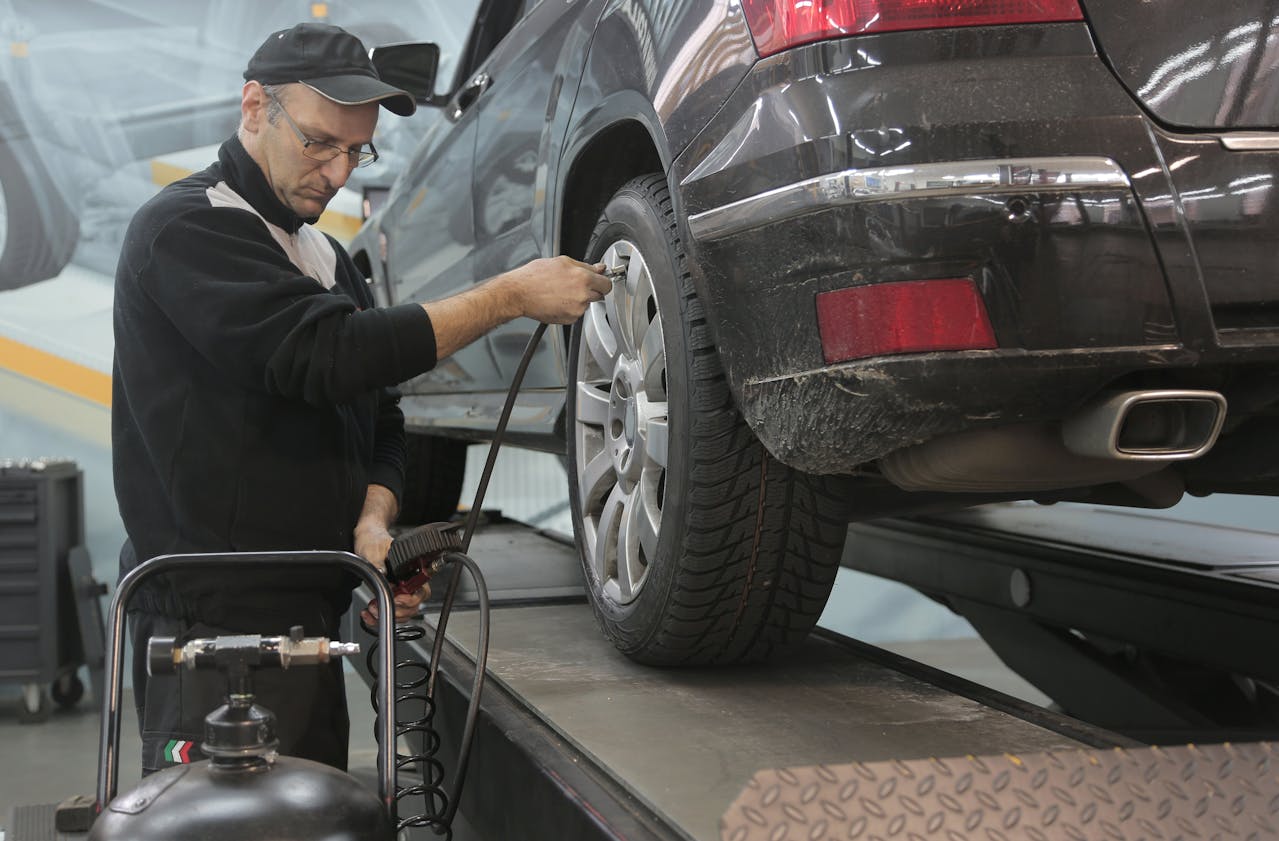
Serious car mechanic pumping up car wheel in modern service garage by Andrea Piacquadio is licensed with Pexels License