



Blog / Pasadena Chevrolet Service

Bad Spark Plug Symptoms

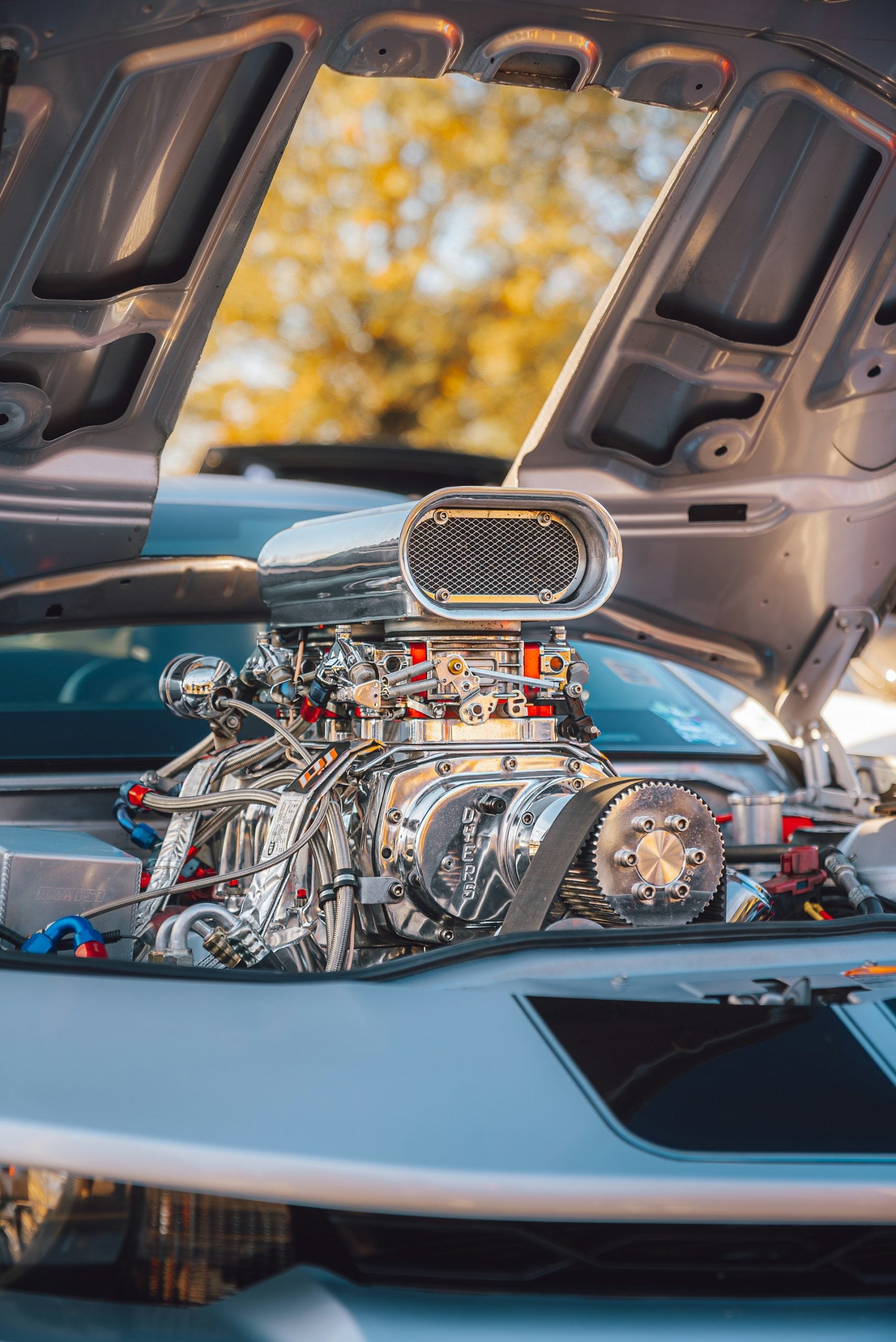
Spark plugs in Camaro engine

Spark plugs fire hundreds of times for every mile you drive. When you start to notice frequent symptoms of faulty spark plugs, it means their spark is weakening. Our Chevy service center has compiled this information to help you recognize these signs early and avoid potential trouble.

Common Symptoms of Bad Spark Plugs

A weakening spark plug robs your engine of the quick, clean burn it needs. Pay attention to the following bad spark plug symptoms so you know when to replace your vehicle's plugs.

Difficulty Starting the Engine

If your engine seems slow to start in the morning, your spark plugs might be to blame. When plugs start to wear out, the spark they create weakens. That means the air-fuel mix in the cylinder doesn't ignite as quickly or efficiently. 

You may notice longer cranking times, especially when the engine is cold. You might even hear the starter strain while the engine hesitates to fire. This issue becomes more noticeable in colder weather, when thicker oil and heavier fuel vapors make combustion more difficult. New spark plugs deliver a clean, hot spark immediately, resulting in quicker starts, smoother idling, and reduced strain on your battery. 

Rough Idling and Engine Vibrations

A smooth idle is a sign your engine is running in sync. A misfiring cylinder could be the culprit if your steering wheel vibrates or the engine shakes when the vehicle is stopped. One worn or fouled plug can disrupt the cylinders’ rhythm, causing uneven combustion. You might even notice a pulsing or putt-putt sound from under the hood.

Your vehicle's computer will often try to correct these spark plug problems by adjusting the fuel-air mixture, but that can only do so much. If the vibration persists, it is time to inspect the spark plugs. Replacing the full set helps restore balance across all cylinders, smoothing out the ride and keeping your fuel system working efficiently. 

Poor Fuel Efficiency

One of the easiest-to-miss spark plug problems is poor fuel economy. When your spark plugs are working properly, they ignite the fuel mix at just the right time for a clean burn. Worn plugs, however, cause incomplete combustion. That sends unburned fuel down the exhaust and forces the engine to work harder to make up for the loss.

You might notice more frequent trips to the pump, or even smell fuel when the car first starts. Replacing old plugs with the correct type and gap can help restore your fuel economy.

Slower Acceleration or Power Loss

If your Chevy feels sluggish when you hit the gas, spark plug issues could be to blame. Each spark lights the mixture that pushes the piston. When a plug misfires or fires late, that pressure drops, and the engine can't deliver its usual power. You may need to press the pedal harder to get moving, especially when going uphill or during passing maneuvers on Pasadena highways.

Fresh spark plugs restore sharp ignition timing and bring back your engine's full torque. If you have already checked your air filter and fuel system, consider replacing the plug to restore your throttle response to its optimal level.

Misfiring or Stalling Engine

Misfires can feel like a sudden jerk or hesitation while driving. If they occur frequently enough, the engine may stall, especially at low speeds or when idling. Misfires are usually caused by a spark plug that can't consistently ignite the fuel-air mixture.

Inspecting your spark plug problems is a good first step. Look for signs of fouling, such as heavy carbon buildup, oily tips, or cracked ceramic. Replacing all the plugs and clearing any stored trouble codes can often resolve these problems quickly, before they lead to more extensive repairs.

Excessive Exhaust Emissions

When spark plugs fail, they leave fuel unburned. That excess fuel exits through the exhaust system, increasing the levels of harmful emissions, such as hydrocarbons and carbon monoxide. You might smell raw fuel when the engine is running or notice black smoke during acceleration.

Unburned fuel also puts extra strain on your catalytic converter, which can cause it to overheat or fail. Replacing bad plugs brings your emissions back in check by allowing complete combustion inside the engine.

Unusual Noises Such As Knocking or Pinging

If you hear a metallic tapping or pinging sound when accelerating on Texas roads or climbing hills, your engine may be experiencing preignition or detonation. This often occurs when combustion takes place at the wrong time, typically due to a weak or delayed spark. Worn plugs can contribute to this problem, allowing combustion pressure to build up unevenly.

Left unchecked, this knocking can damage pistons and cylinder walls. The fix is often as simple as installing a fresh set of spark plugs with the correct heat range. A strong, timely spark helps combustion occur precisely when it should, eliminating knock and protecting your engine's internal parts.

Consequences of Ignoring Faulty Spark Plugs

These bad spark plug symptoms may not seem urgent at first, but putting off a replacement can lead to more significant, and potentially more expensive, issues. Over time, weak sparks disrupt combustion, strain engine parts, and lead to poor drivability. Here are some things that could happen if you delay too long:

  • Lower fuel economy: Incomplete combustion wastes gas, forcing the engine to burn more to compensate.
  • Rough running and engine misfires: Skipped sparks create rough idling, vibrations, and occasional stalling.
  • New damage to the catalytic converter: Raw fuel in the exhaust can overheat the converter, leading to failure.
  • Increased engine wear: Poor combustion washes down cylinder walls, increasing internal friction and wear.
  • Illuminated check engine light: Misfires trigger diagnostic trouble codes, often leading to failed emissions tests.
  • Increased repair costs: Ignoring early symptoms often means replacing more than just plugs later.

Spark plugs are simple and affordable to replace, but leaving them too long risks serious damage. Staying on top of your maintenance schedule ensures your vehicle runs efficiently, smoothly, and reliably.

Schedule Chevy Service Today

Bad spark plugs do more than just slow you down; they can damage your engine, waste fuel, and ultimately cost you more at the shop later. Our Monument Chevrolet team in Pasadena makes it easy to stay ahead of problems with expert care and fair prices.

You can schedule service online in minutes or visit our service center for help diagnosing issues such as rough starts, poor fuel economy, or misfires. If you're planning to upgrade, browse our new Chevrolet vehicles or explore used cars for sale with reliable service histories.

If you need help or have questions, contact us today. We're ready to keep your Chevy running strong.

Photo by Ezra McKenna on Unsplash
Posted in:

Related Posts

24-equinox-interior-1

How to Connect to Chevy Bluetooth & WiFi

Chevrolet cars, SUVs, and trucks are comfortable and fun to drive, and they're also equipped with an array of desirable technologies that aim to enhance your driving experience. Bluetooth and Wi-Fi are two of the most important tech features in Chevy vehicles, allowing you to connect your smartphone to your car and access the internet, making your experience on the road easier and more enjoyable. If you have yet to set up Bluetooth and Wi-Fi in your Chevrolet vehicle, check out this helpful guide to find out how. more Schedule Service Appointment How Do I Connect My Chevy to Bluetooth? Chevy Bluetooth is a useful feature that allows you to pair your smartphone with your vehicle. Once it's set up, you can play music from your personal library, use your favorite apps, and much more. It also lets you make and receive hands-free calls so you can focus on driving. Most of the recent Chevrolet models come standard with the Chevy MyLink infotainment system, which includes Bluetooth. If you've just purchased a Bluetooth-equipped Chevrolet, you can use one of two methods to connect your phone to your car. Using the Chevy MyLink Infotainment System Here are some steps you can follow to use the Chevy MyLink Infotainment System: Turn on your Chevrolet. Select the phone icon on your infotainment screen. Search the screen for an option to connect or add a new phone. Depending on your car model, it may say “Connect Phone,” “Pair Device,” “Add Phone,” or “+.” Open the Bluetooth settings on your phone, enable Bluetooth, and choose your vehicle from the list of available devices. Make sure that the code displayed on your phone matches the code on your infotainment screen. Tap “Pair” on the infotainment screen. In some cases, you may also need to accept the pairing on your phone. If prompted, you can agree or disagree to allow Chevy MyLink to access your phone's contacts, messages, and other information. Note that choosing to disagree will prevent your contacts and messages from being downloaded. This means that you won't be able to use a contact's name to make a phone call, although you can still call them by saying the phone number. After you've successfully completed the pairing, your infotainment screen will let you know that your phone is available to make and receive calls. Repeat the process if you want to connect another device to your vehicle. Using Voice Recognition Follow these steps to use the Voice Recognition in your Chevrolet: Press the “Push to Talk” button and say “Pair Phone” after the tone. Follow the instructions to complete the pairing process. How Do I Connect My Chevy to Wi-Fi? Standard or available on most new Chevrolet models, a Wi-Fi hotspot turns your vehicle into a dependable mobile hub with excellent signal strength and bandwidth. With this technology, you and your passengers can stay entertained on road trips. You can stream movies, download games, check out the latest news, or just surf the internet. It's also a great feature to have if you often need to work on the go. Chevy Wi-Fi can support up to seven devices, which is enough for an entire family. To connect your Chevrolet vehicle to Wi-Fi, follow these step-by-step instructions: Turn on your Chevrolet vehicle. Open the settings menu on your infotainment screen and select “Wi-Fi.” Tap “Manage Wi-Fi networks.” If you've already purchased Chevy Wi-Fi, you should see your vehicle on the list of available hotspots. Choose your car's hotspot, and you'll be given a default password. Next, open the settings on your phone and tap “Network.” Select your Chevy Wi-Fi hotspot. Enter the default password to connect to the internet. If you're having trouble connecting to the Wi-Fi in your Chevy vehicle, contact your local Chevrolet service center. The technicians will be happy to help you set up your Wi-Fi hotspot and can even tell you a thing or two about your model's other technology features. Other Awesome Chevy MyLink Features Bluetooth and Wi-Fi are only two of the many features that come with Chevy MyLink. This infotainment system offers a wide range of communication, navigation, and entertainment services to keep you informed, entertained, and safe behind the wheel. Here are some of Chevy MyLink's other great features: Vehicle settings: Your Chevy MyLink screen has several options for adjusting the settings in your Chevrolet vehicle. Within these options, you can change settings related to your car's lighting, internal climate, keyless access, and audio system. Navigation: Chevy MyLink has a built-in navigation system that shows you a map of the area around your vehicle and creates routes to the places you want to go. Once a route is set, it provides turn-by-turn directions to guide you safely to your destination. In addition, this feature notifies you about potential traffic issues and toll booths along the way to help you save time and money. Voice commands: You can use voice commands to control your Chevy MyLink system by pressing the “Push to Talk” button on the infotainment screen or steering wheel. This allows you to make a phone call, get directions to a destination, or play a song without taking your eyes off the road. Teen driver: Your Chevy's infotainment system also has a teen driver feature to help instill safe driving habits in your teenager. When it's enabled, this system provides speed warnings, sets audio volume limits, and prevents safety features from being disabled. Explore Chevy Bluetooth, Wi-Fi, and Other Technologies at Monument Chevrolet, Pasadena With Bluetooth, Wi-Fi, and Chevy MyLink, Chevrolet models are among the most technologically advanced vehicles around. If you own a Chevy in Pasadena, Texas, contact Monument Chevrolet to learn more about these great technology features. Serving Pasadena, Deer Park, Galena Park, Channelview, Jacinto City, and Houston, our service center has a dedicated team of factory-trained technicians who know Chevy vehicles inside and out. We can troubleshoot any Bluetooth, Wi-Fi, and Chevy MyLink problems and help you get the most out of your in-vehicle technologies. Feel free to contact us if you have any other questions or concerns. Used Cars with Bluetooth

Brake light on the dashboard behind the steering wheel of a car

Why Is My Brake Light On?

Seeing your brake light illuminated on the dashboard can be alarming. Your brake system is one of the most crucial components of your vehicle, directly affecting your safety and the safety of others on the road. So, whether you're an experienced driver in Pasadena or relatively new to the road, it's essential to understand what this warning light means and how to address it. Read on to discover why your brake light might be on, what it means when it flickers, and how to fix this issue before it becomes a considerable safety risk. more Brake Replacement What Causes the Brake Light on the Dash To Stay On? The brake light on your dashboard is part of your vehicle's warning system, designed to alert you to potential issues with your braking system. When this light stays on, it often indicates that something isn't functioning as it should. Low hydraulic fluid is a common reason why your brake light might come on. If you notice that your brake warning light comes on when you press the brake pedal, your brake fluid is likely extremely low in the master cylinder. The brake master cylinder contains a sensor that monitors the brake fluid level. When the fluid level falls below optimal, this sensor activates the warning light to alert you that the hydraulic system requires urgent attention. Low brake fluid levels are a serious concern you should never take lightly. They interfere with your brakes' ability to function correctly, which can be hazardous to yourself, your passengers, and other road users when your vehicle is in motion. Your vehicle's brake light may also turn on if your parking brake is engaged. Most vehicles today have a built-in sensor that monitors whether the parking brake is activated. Even if the parking brake is slightly engaged, it can still trigger the brake light to switch on. While driving with your parking brake engaged might not seem like a big deal, it can cause significant damage to your brakes. Doing so creates excess friction, which can cause the brakes to overheat and the brake pads to wear and tear. Another reason your brake light may suddenly switch on is a malfunction in the anti-lock braking system (ABS). In many vehicles, the brake light is connected to the ABS. If there's an issue with the ABS, such as a malfunctioning sensor or a problem with the ABS module, the brake light can illuminate. Why Is My Brake Light Flashing? A flashing brake light is usually more urgent than a brake light that stays on continuously. It gets your attention and warns you of potentially severe problems with your braking system. In some vehicles, the brake light will flash if the brake fluid level is critically low. This is an urgent warning to top up your brake fluid or check for leaks. As mentioned before, driving with low brake fluid can lead to brake failure. So, if you suspect your brake warning light is flickering due to low fluid levels, you should refrain from driving your vehicle until you address this issue. Another common reason your brake lights may flicker is a failure or malfunction in the ABS. In cases like these, the flickering of the brake lights may be accompanied by other warning lights, such as the ABS light or the traction control light. If this happens, you must have your vehicle inspected immediately, as driving without a properly functioning ABS can be dangerous. Likewise, your brake lights might start to flicker to alert you if you accidentally engage the emergency brakes when driving. Doing so can cause severe damage to your brakes if not addressed immediately, so be sure to release the emergency brake as soon as possible. Drawing from our extensive experience at Monument Chevrolet, we've seen what happens when warning signs are left to fester. Minor issues turn into big, costly fixes. We strongly suggest you bring your automobile for a comprehensive check when you see odd cautionary signal patterns. Our service team is excellent at finding the precise cause of flashing brake lights and performing the necessary fixes to keep you safe on the road. How to Turn Off the Brake Light on Your Dashboard There are several fixes you can perform to troubleshoot a flickering brake light or turn it off. The first thing you should do once you notice that your brake light is on is check your parking brakes. If they are engaged, releasing them might fix the issue and turn off your brake warning lights. If your brake lights stay on even after you've disengaged the parking brakes, check the brake fluid level in the braking system. If the brake fluid level is low, carefully add the appropriate type of brake fluid to the reservoir. Be sure to follow the manufacturer's guidelines for the correct fluid type. Once topped off, the brake light should turn off. If it doesn't, there may be a leak or another issue that needs to be addressed by a knowledgeable mechanic. If you've fully disengaged the parking brakes and there doesn't seem to be a leak in your vehicle's hydraulic system, the issue is likely in the ABS. Resetting your ABS might fix the problem. You can do so by disconnecting the battery for a few minutes and then reconnecting it. Even so, it's always best to consult your vehicle's manual or a professional mechanic for the proper procedure. It's worth noting that flashing brake lights can indicate more severe issues beyond those discussed here. Therefore,  if your brake warning light continues to stay on or flicker after you've attempted all the fixes, consider getting it checked by a professional. Ensure Your Safety with Monument Chevrolet If that brake warning light on your dashboard catches your eye, remember it's not just a diminutive glow but a crucial signal for your road safety. Our skilled technicians our Chevy service center in Pasadena, Texas, are ready to identify and rectify any problems with your brake system. We choose ACDelco Gold or GM original equipment parts because they're made specifically for your vehicle, ensuring optimal performance and durability. Schedule a service appointment with us today, and our expert team will promptly address any issues to get you back on the roads of Houston in no time. Or if you're in the market for used suvs for sale, we've got you covered as well! Schedule Service Appointment Image by Erik Mclean is licensed with Pexels License

How Often Should You Get a Chevy Oil Change?

If you own a Chevrolet, you want to make sure you maintain it properly so that it lasts as long as you need it. With that in mind, it's important to know how often you should get a Chevy oil change. The answer is that it depends on how old your vehicle is and your personal driving habits. Photo by: GM Assets How Often Should You Get a Chevy Oil Change? Manufacturer Recommendations Newer Chevrolets are equipped with an Engine Oil Life System, which is able to detect when the oil needs to be changed. The great thing about this system is that you don't have to remember to schedule an appointment until you get the message to "Change Engine Oil Soon." If you drive under ideal conditions, you may not see this message for a year, but if your conditions are not so perfect, you could see it in three months. The manufacturer recommends that the engine oil be changed at least once a year, since oil does eventually break down, even under the best of conditions. However, this is much longer than the frequency that used to be recommended for vehicles, which was three months or 3,000 miles, whichever came first. The technology behind both engines and oil has advanced to the point where it's no longer necessary to change it that often unless your habits dictate it. Driving Habits Dictate Oil Change Frequency The real factor in how often you should get your oil changed is your driving habits. Certain driving conditions cause the oil in your car to break down faster, meaning its engine protection properties don't last as long. If you drive under any of the following conditions, check with your Chevrolet service center to determine the right oil change frequency for you. You make frequent short driving trips You frequently travel in stop-and-go traffic (rush hour) You drive in unusually dusty conditions You live in either an extremely hot or extremely cold climate You frequently tow heavy loads You frequently haul heavy loads You are preparing for a long road trip and it's been at least three months since the last change How to Tell If Your Oil Needs to Be Changed As previously mentioned, most newer Chevrolets have an Engine Oil Life System installed, which will tell you when your oil needs to be changed. However, if your car is not equipped with this feature, you have other ways to determine if your oil needs to be changed. The normal color of clean oil is translucent amber. If it's a dark, opaque brown, or black, your oil is dirty and needs to be changed. If you hear a knocking or ticking in your engine compartment while you're idling or driving, this is an indication that the level of oil is low, and as such, it's not providing enough protection for engine parts. The sound you hear is the parts rubbing or hitting against each other. Check your oil level using the dipstick to determine whether you need to add oil, or simply bring it in to a service technician for an oil change. Taking proper care of your Chevrolet will ensure its life is extended for as long as possible. Contact Monument Chevrolet to schedule your oil change today.