



Blog

Why Does My Chevy Silverado Make a Whistling Sound When Accelerating?

Silverado 1500 truck

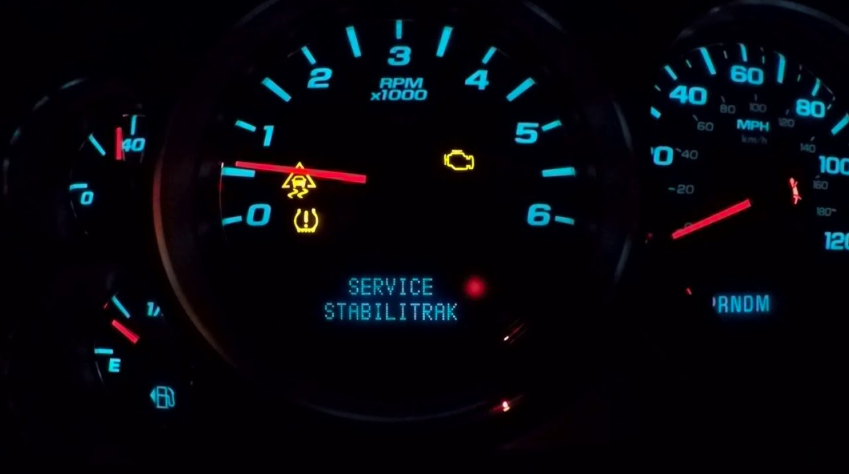
A Chevy Silverado that starts whistling when you accelerate isn't just annoying. It's your truck signaling that something's off under the hood. Whether the noise fades at highway speeds or follows you everywhere, that sound almost always points to a real mechanical issue worth addressing sooner rather than later. If you're already concerned, we encourage you to schedule a service appointment with our team so we can take a closer look before a small problem turns into a larger one.

Whistling sounds carry different meanings depending on their pitch, timing, and location. A whistle that intensifies as you press the gas typically suggests a pressure or airflow problem somewhere in the engine system. These sounds usually start subtle, then gradually worsen, and getting ahead of it now is almost always less expensive than waiting.

What That Whistling Sound Is Trying to Tell You

When your Silverado whistles under acceleration, the noise is giving you useful information if you know how to read it. A high-pitched hiss that climbs with RPMs points toward an air or vacuum issue. A sharp whistle near the rear of the truck suggests the exhaust system. A sound that fades when you lift off the throttle and returns when you press down again is often pressure-related. Paying attention to these patterns before you bring the truck in helps our technicians diagnose it faster and more accurately.

Common Causes of a Whistling Noise When Accelerating in a Chevy Silverado

There are several well-documented reasons a Silverado whistles under acceleration. Below are the causes we look at first, along with what each one typically sounds like.

Vacuum Leak

Your Silverado's engine relies on a network of vacuum hoses to regulate airflow and manage systems like the brake booster, emissions controls, and intake. When one of those hoses cracks, loosens, or disconnects, air escapes where it shouldn't. A cracked intake boot, for example, allows unmetered air to escape before it reaches the throttle body, producing a high-pitched hiss that intensifies as RPMs climb.

Vacuum leaks are especially common in higher-mileage Silverados, and we've seen them frequently on 2014 models equipped with the 5.3L V8. You may also notice a rough idle, hesitation during acceleration, and reduced fuel efficiency. Because the intake system runs under negative pressure, even a small gap can produce a surprisingly loud sound.

Pinpointing a vacuum leak precisely requires a smoke test, where pressurized smoke is introduced into the system so technicians can watch for where it escapes. This isn't a job that can be done reliably by eye alone. Our auto repair services in Pasadena include this type of diagnostic work, and we recommend having it done professionally rather than guessing at hose replacements.

Air Intake or Throttle Body Issue

The air intake system channels clean, filtered air into the engine. When components like the intake tube, air box, or throttle body develop cracks or obstructions, airflow gets disrupted, and that disruption often shows up as a faint whine at higher RPMs. This issue has been reported by owners of 2014 Silverado 1500 and GMC Sierra trucks with 5.3L engines, and cold engines can amplify the sound, particularly near the passenger-side air intake.

A dirty or partially obstructed throttle body makes things worse. As the throttle plate opens under acceleration, turbulent or restricted airflow gets amplified into an audible whistle. Checking the intake tube for cracks and replacing a clogged air filter are reasonable starting points for any owner. Throttle body cleaning, however, requires proper cleaning solutions and disassembly, which is better left to a technician.

Worn Serpentine Belt, Tensioner, or Idler Pulley

A worn serpentine belt doesn't always announce itself with a full screech. Sometimes the early sign is a high-pitched whistle that increases with engine speed. If the belt has glazed, cracked, or stretched slightly, it can slip across the pulleys during acceleration and generate that sound.

The tensioner and idler pulley are equally worth inspecting. When their bearings begin to wear, the resulting friction sounds a lot like a whistle that climbs with RPM. Visually inspecting the belt for glazing or cracking is something most owners can do themselves. If you notice wobble in either pulley when you spin it by hand with the engine off, that's a strong sign the bearing is failing. The serpentine belt drives your alternator, power steering pump, and other accessories, so catching this early matters well beyond just stopping the noise.

Exhaust Leak

An exhaust leak is one of the more serious culprits on this list. When high-pressure exhaust gases escape through a crack or gap in the manifold, gasket, or pipe before the muffler, they're forced through a narrow opening and produce a sharp whistle that almost always worsens under acceleration, because that's when exhaust pressure peaks.

GM issued a Technical Service Bulletin (TSB) covering exactly this type of noise on 2014 Silverado 1500 and GMC Sierra 1500 trucks equipped with the 4.3L, 5.3L, or 6.2L engines built prior to December 8, 2013, or with a muffler Julian Date prior to 352. The bulletin identifies a whistle-type noise originating from the muffler area. The diagnostic step involves temporarily locking the Passive Exhaust Valve (PEV), located behind the muffler, in the open position by rotating it counterclockwise and securing it with a bolt assembly. If locking the PEV changes the noise, exhaust system repair is needed. We can verify whether your specific truck is covered by this bulletin and perform the appropriate repair if so.

An exhaust leak can also allow carbon monoxide into the cabin, which moves it from a mechanical issue to a genuine safety concern. Don't delay having this one checked.

Turbo or Intercooler Leak (Diesel Silverado Models Only)

This section applies specifically to diesel-powered Silverados. If you drive a gas-engine model, this cause likely doesn't apply to you.

For owners of Duramax-equipped Silverado 2500HD and Silverado 3500HD trucks, the turbocharger and intercooler system is an important area to inspect. These systems operate under significant boost pressure, and any crack or loose connection in the charge pipes, intercooler hoses, or clamps can produce a high-pitched boost whistle under acceleration and load. This is commonly called a boost leak, and it's more prevalent in high-mileage diesel trucks.

A boost leak reduces turbocharger efficiency and hurts engine performance noticeably, on top of creating noise. If you're seeing a drop in power alongside the whistle, that combination warrants prompt attention. Turbo and intercooler diagnostics require pressurized testing equipment and should be handled by a technician.

Less Common Causes Worth Investigating

Not every whistling noise traces back to the engine or exhaust. A few less obvious possibilities are worth ruling out.

Low Transmission Fluid or Accessory Bearing Wear

Low or contaminated transmission fluid can cause whining or whistling noise from the torque converter during acceleration when the transmission is under load. Checking the fluid level is a quick and simple step that can eliminate this possibility. If the fluid is dark, burned-smelling, or well past its service interval, a fluid change may address the noise entirely.

Worn accessory bearings in the alternator or water pump can also generate friction-based noise that carries through the engine bay. Because the sound changes with RPM rather than just load, it's possible to distinguish it from other causes by noting whether the pitch tracks engine speed specifically.

Damaged Weather Stripping or Window Seals

Sometimes the whistle has nothing to do with the engine. Worn or compressed weather stripping around doors and windows can let air into the cabin at highway speeds, producing a consistent whistle that isn't tied to acceleration specifically. Temporarily running tape along the door seals or cracking a window to see whether the sound changes can help confirm or rule this out quickly.

How to Diagnose the Whistling Noise in Your Silverado

The table below summarizes the most common causes, what they sound like, when they occur, and how urgently each one needs attention.

CauseSound CharacterWhen It OccursUrgency
Vacuum LeakHigh-pitched hissAcceleration, idleRepair soon
Air Intake / Throttle Body IssueFaint whineHigher RPMs, cold startMonitor / repair soon
Worn Serpentine Belt / PulleyHigh-pitched squeal or whistleUnder load / accelerationRepair soon
Exhaust Leak (incl. PEV)Sharp whistle, possible rattle or popAccelerationRepair soon
Turbo / Intercooler Leak (Diesel)High-pitched boost whistleUnder acceleration/loadRepair immediately
Low Trans. Fluid / Accessory BearingWhine, RPM-dependentAccelerationRepair soon / immediately

Practical Diagnostic Steps

Start with a visual inspection while the engine is off. Look for cracked or disconnected vacuum hoses, visible belt wear, and any gaps in the intake tubing. When ready, start the engine and listen with the hood open, noting whether the sound changes with RPM or throttle input. A flashlight can help you spot vapor escaping from an exhaust leak or catch a hose moving under pressure.

Note whether the noise is louder when the engine is cold, which tends to point toward the intake. If it's consistent regardless of temperature and tied specifically to load, exhaust or belt-related causes move up the list. On applicable 2014 models, performing the PEV lock test described in the GM TSB is a useful step. An OBD-II scanner can also surface stored codes related to vacuum or throttle sensor faults that align with the noise.

DIY Fix or Professional Repair: How to Know the Difference

Some of these repairs are genuinely within reach for a motivated owner. Replacing a cracked vacuum hose, swapping in a fresh air filter, tightening loose intake clamps, and visually inspecting the serpentine belt for glazing or cracking are all reasonable starting points. On applicable 2014 models, performing the PEV lock test is also something an owner can do safely.

After that, the work requires professional equipment. Diagnosing a vacuum leak accurately requires a smoke test. Throttle body cleaning involves disassembly and the right cleaning agents. Exhaust manifold inspection requires a lift and heat-resistant hardware. Turbo and intercooler diagnostics on diesel models involve pressurized systems. Transmission fluid analysis and any internal transmission work should always be handled by a technician. We want to be straightforward here: attempting repairs that require tools or expertise you don't have can easily turn a whistling noise into something far more expensive.

A Chevy service center can also verify whether an applicable TSB covers your specific vehicle, which matters especially for 2014 Silverado 1500 owners hearing noise from the muffler area, particularly those with trucks built prior to December 8, 2013, or with a muffler Julian Date prior to 352.

What Happens If You Ignore That Whistling Sound

Tuning out a whistling noise is rarely the right call. Vacuum leaks left unaddressed cause the engine to run lean, which produces misfires and long-term internal wear. Exhaust leaks grow as heat cycling expands and contracts the metal; the gap widens with every drive until it becomes a carbon monoxide risk. A slipping serpentine belt can fail completely, leaving you stranded with potential damage to every accessory it drives.

The progression from minor annoyance to major repair is well-documented. What's a straightforward fix today can multiply in cost once secondary damage sets in. Your Silverado is built to handle serious work, but it still needs attention when it asks for it.

Schedule a Service Appointment at Monument Chevrolet

If your Silverado is whistling and you want it diagnosed the first time correctly, we're here to help. We are a family-owned Chevrolet dealership that has served Pasadena and the Greater Houston area for over 50 years, and our technicians have the tools and training to accurately track down the source of that noise.

Whether your truck needs a simple hose replacement or a deeper look at the exhaust or drivetrain, we approach every job with transparency. We'll tell you what we find, explain what it means, and give you a clear path forward. If you have questions before you come in, you're welcome to reach out through our contact page.

We're located at 3940 Pasadena Fwy, Pasadena, TX 77503. Schedule a service appointment online today and let us get your Silverado back to running the way it should.

Image courtesy of Chevrolet
Recommended Posts

Pumpkins

What Is the Houston Pumpkin Festival?

The Houston Pumpkin Festival is a ticketed fall celebration at Discovery Green in downtown Houston that typically runs from late September through the first weekend of November. Oversized inflatable displays, dozens of pumpkin varieties, interactive photo spots, and family activities fill one of downtown Houston's most popular public parks with a fall theme running through everything. more For families in Pasadena, it's a quick trip into the city for an afternoon or evening of seasonal fun, and if you're mapping out the drive, it's also a good excuse to make sure your vehicle is ready with a quick look at new Chevy models or a message to our team before you head out. What Is the Houston Pumpkin Festival at Discovery Green? Discovery Green is a 12-acre urban park near the George R. Brown Convention Center that hosts community events throughout the year. The Pumpkin Festival has grown into one of its most anticipated seasonal draws, held specifically at Lindsey Waterside Landing on the park's northeast side, bordering Kinder Lake. The site gives the festival room for large installations, play areas, and exhibits without feeling cramped. What sets the festival apart from a typical fall market is the sheer variety packed into the space. It goes well beyond pumpkin sales, with entertainment and photo installations that appeal to families across the Greater Houston area. Because this is a ticketed event produced by an outside organizer rather than by the park itself, dates, hours, and pricing can shift year to year. Discovery Green's festival page is the best source to confirm current details before you go. A Brief History of the Park Behind the Festival Discovery Green opened in 2008, transforming what had been surface parking lots on the eastern edge of downtown into a 12-acre public park. It's run by the Discovery Green Conservancy, a nonprofit that hosts more than 600 free events a year, funded largely by donations. The Pumpkin Festival is a ticketed event produced by an outside organizer rather than by the Conservancy itself, but it has become one of the park's larger seasonal draws. When Does the Festival Take Place The festival runs for roughly six weeks, so families have plenty of chances to plan a visit without feeling rushed. In its most recent run in 2025, it opened September 20 and closed November 2. It has followed a similar late September through early November window in past years. Confirm this year's dates on Discovery Green's festival page before you go. Hours differ by day: weekdays run from 3 p.m. to 10 p.m., while weekends open earlier, from 10 a.m. to 10 p.m. New entry may be restricted up to an hour before closing, so plan to arrive with enough time to enjoy the grounds. Tickets are tied to the day type you purchase. A weekday ticket can be used on any other weekday if you miss your original date due to rain, and a weekend ticket can be used on any other day, which gives some built-in flexibility if weather or plans shift. Signature Attractions You Won't Want to Miss Discovery Green transforms dramatically during the festival, and a handful of signature attractions consistently draw the biggest crowds. The World's Largest Bouncy Pumpkin At more than 2,000 square feet, the world's largest bouncy pumpkin is one of the festival's most talked-about features. Kids love it, and adults tend to linger nearby for the photo opportunity. It's become a recognizable, can't-miss anchor for the entire event. Over 50 Pumpkin Varieties on Display The festival's "Pumpkins+" display features over 50 pumpkin varieties, well beyond the standard orange carving pumpkin most people picture. Visitors will find tiny ornamental gourds alongside oversized white pumpkins, deep green varieties, and shapes you won't see at a grocery store. The Corn Pit and LED-Lit Crystal Kayaks The massive corn pit gives younger kids a tactile, sensory-rich alternative to a typical ball pit, filled with dried corn kernels instead. On the water, LED-lit crystal kayaks glow after dark and photograph beautifully, giving the classic fall setup a modern twist. Interactive Photo Spots for Fall Memories Scattered throughout the grounds are immersive photo installations including the Pink Tree of Life, Sunflower Walk, Butterfly Chair, Cinderella's Carriage, and Giant Pin Art. Many are three-dimensional, so you can step right into the scene instead of just posing in front of it, which makes getting a good fall photo pretty effortless. More to Explore Beyond the headline attractions, the festival includes the Massive Yellow Duck, Pumpkin Houses, Jumpkin' Pumpkin, a Tree Net Climber, Doors of Wonder, a huge slide, water activities, and bumper boats. Worth noting: the bumper boats have closed ahead of the rest of the festival in past years, so check the current schedule if that's a must-do for your group. Family-Friendly Fun for All Ages The festival works well for families with kids at different ages. Toddlers gravitate toward softer, sensory activities like the corn pit, while older kids and teens tend to enjoy the more adventurous or visually engaging installations. Adults find plenty to appreciate too: the pumpkin displays, the kayaks, and the general atmosphere of the park all hold their own. Discovery Green's compact, walkable layout keeps everything accessible, so families aren't forced to trek across a sprawling fairground between activities. For grandparents or visitors with mobility concerns, that accessibility makes a real difference. Food and Drink at Discovery Green Discovery Green has two permanent on-site restaurants, The Grove and The Lake House, both within a short walk of the festival grounds. The Lake House is the more casual of the two, with counter-service burgers, salads, and kid-friendly options, while The Grove offers full-service dining with a view of the park. Food trucks and vendors also rotate through the park during major events. If you're planning a longer visit, eating at the park saves you moving the car, which matters on busy weekend evenings when garage space is tight. Getting to Discovery Green from the Houston Area Discovery Green sits at 1500 McKinney St, Houston, TX 77010, within reasonable reach of most of the Greater Houston metro area. For families driving in from Pasadena, the trip typically takes around 20 to 30 minutes depending on traffic, heading west on Highway 225 or taking I-10 toward downtown. To avoid the biggest crowds, weekday afternoons tend to be quieter than weekend hours. Street parking and nearby garages are available around the park, though weekend availability can get tight. The MetroRail's Green and Purple lines both serve downtown Houston with stops close enough to make public transit a practical option. Before a family day trip like this, it's worth giving your vehicle a quick once-over, especially tire pressure and AC performance, since Houston's fall days can still run warm. Our team can help with a service appointment if you want to check those items off before you go. Make a Day of It: Nearby Dining and Attractions Discovery Green's downtown location puts it close to some of Houston's most walkable attractions. The Houston Theater District, Market Square Park, and Buffalo Bayou Park are all within a short drive and offer a good mix of dining and outdoor space to extend your visit. Pairing the Pumpkin Festival with one of these nearby stops turns a single outing into a fuller day of Houston exploration, a nice option for families making the trip in from Pasadena or other suburbs. Visiting the Festival? Explore Monument Chevrolet in Pasadena If you're heading downtown from the Pasadena area for the Houston Pumpkin Festival, Monument Chevrolet is right in your backyard. As a family-owned Chevrolet dealership serving the Greater Houston region for more than 50 years, we know the value of a reliable vehicle for local outings like this one. Getting Your Vehicle Ready Families hauling pumpkins, decor, or a car full of kids might find a roomier Chevy SUV makes trips like this easier. Whether you're weighing a new model or want to look at options that fit your budget, you can browse new Chevy models or used vehicles at your convenience. Get in Touch If you have questions about scheduling a service appointment or exploring your options before your next Houston outing, contact our team. We're happy to help make sure you're road-ready. Photo by Aaron Burden on Unsplash

Chevy car engine

Why Is My Car Revving in Park?

You're sitting in your driveway, engine running, and the RPM needle keeps climbing or bouncing without warning. Your foot isn't near the pedal, the car's in park, and yet the engine sounds like it's working harder than it should. This happens to plenty of drivers, and while it can look minor at first, figuring out the cause now can save you from a bigger repair bill later. If you'd rather skip the guesswork, you can schedule a service appointment with our certified team. What Does It Mean When Your Car Revs in Park? Idle speed is how fast your engine runs while it's on but the car isn't moving. When everything's working correctly, that idle feels smooth and steady. Once your car starts revving out of nowhere while parked, the engine is flagging a problem with airflow, fuel delivery, or the electronics managing both. Normal Idle RPM vs. Abnormal Revving Most engines idle between 600 and 1,000 RPM under normal conditions. A brief spike right after starting a cold engine is expected, since it needs a minute to warm up. Once the engine reaches operating temperature, idle speed should settle into that normal range. Abnormal revving looks different: a stubborn high idle, a surging pattern where RPMs climb and fall repeatedly, or a needle that jumps around with no real pattern. Any of these points to a mechanical or electronic issue rather than normal warm-up. Is It Safe to Keep Driving? It depends on severity. A mild high idle on a cold morning probably won't leave you stranded. But persistent or erratic revving can affect how the transmission behaves when you shift into drive, hurt fuel economy, and strain engine parts unnecessarily. It can also mask worse issues that get pricier to fix the longer they're ignored. If the revving is severe, comes with warning lights, or feels unstable, get it checked before racking up more miles. Common Causes of Car Revving in Park Several systems work together to keep your engine idling smoothly, and a failure in any one of them can cause unwanted revving. Some fixes are simple. Others require real diagnostic work. Cause Common Symptoms DIY or Pro Fix Urgency Level Vacuum leak Hissing, rough or high idle DIY (inspect/replace hoses) or pro (smoke test) Moderate Dirty throttle body Hunting idle, RPM swings DIY cleaning possible Low to moderate Failing IAC valve Idle too high, too low, or hunting Pro repair Moderate Faulty sensor (MAF, TPS, coolant temp) Erratic idle, poor fuel trim Pro diagnosis Moderate Clogged air filter Rough idle, sluggish acceleration DIY replacement Low Fuel delivery issue Surging idle, uneven running Pro diagnosis Moderate to high Bad ground/electrical Confusing, code-free symptoms Pro diagnosis Moderate PCM/transmission glitch Unpredictable idle, shift issues Pro diagnosis High Vacuum Leaks Your engine runs on a precise air-fuel mix, and vacuum hoses help distribute it. When a hose cracks, disconnects, or wears out, unmetered air sneaks into the engine, throwing off the fuel mixture and pushing RPMs up erratically. This is one of the most common causes of high or surging idle, and it often shows up as hissing under the hood near old rubber hoses along the intake manifold. Dirty or Faulty Throttle Body The throttle body controls how much air enters the engine. Over time, carbon builds up on the throttle plate and bore, making it harder for the engine control unit to hold a steady idle. A dirty throttle body typically causes a hunting idle, where RPMs swing between higher and lower instead of settling. Failing IAC Valve The valve that controls idle airflow, called the Idle Air Control (IAC) valve, adjusts a small bypass channel that lets air around the closed throttle plate. When it sticks or gets gunked up, the engine can't hold a consistent idle. You might notice RPMs hunting up and down, or idle sitting too high or too low depending on exactly how the valve is stuck. Faulty Sensors (MAF, TPS, Coolant Temp) Modern engines rely on sensors feeding real-time data to the engine control unit. The Mass Air Flow (MAF) sensor measures incoming air, and a bad reading throws off the fuel injection response. The Throttle Position Sensor (TPS) tells the computer where the throttle plate sits, and a faulty signal can trick the engine into thinking the gas is pressed when it isn't. The coolant temperature sensor helps adjust idle speed based on engine warmth, so a bad reading can keep idle elevated long after the engine has warmed up. In Pasadena, TX and the Greater Houston area, heat and dust can accelerate sensor wear and grime buildup, making these issues show up sooner than in milder climates. Clogged Air Filter A badly restricted air filter can throw off airflow enough to cause rough or elevated idling, though it's more commonly known for sluggish acceleration. Dusty local driving conditions can clog filters faster than expected, and this is one of the easiest and cheapest things to check yourself. Fuel Delivery Problems If the fuel pressure regulator, injectors, or pump aren't delivering fuel consistently, the engine compensates with RPM swings. Dirty or leaking injectors can starve or flood individual cylinders, and weak fuel pressure from an aging pump causes similar symptoms, often as a surging idle under light load. Bad Ground Connections and Electrical Issues A corroded or loose ground connection can send sensors bad voltage readings, which the engine control unit misreads, leading to odd idle patterns. Wiring problems and failing relays can cause similarly confusing symptoms, sometimes without ever triggering a clear fault code. Transmission or PCM Software Glitches Sometimes there's nothing mechanical going on at all. The Powertrain Control Module (PCM) runs the show for both engine and transmission, and if its software glitches or its calibration drifts, it can send bad commands to the systems controlling idle speed. Transmission issues can also affect idle behavior in park, especially if the torque converter or transmission solenoids are involved. If the idle problem shows up alongside odd shifting, don't put off getting it looked at, a PCM or transmission issue tends to get more expensive the longer it sits. How to Diagnose the Problem Finding the exact cause takes a methodical approach. Some problems are obvious right away. Others need digging. Quick Symptom-to-Cause Reference RPM that climbs and falls in a rhythmic pattern usually points to a vacuum leak or an IAC valve. Idle that stays high even after the engine's warmed up suggests a coolant temp sensor or a stuck IAC valve. When idle jumps around with no real pattern, check the sensors or electrical grounds. Rough idle combined with sluggish acceleration is worth checking against the air filter. And if idle trouble shows up alongside shifting oddities, look at the PCM or transmission. Quick At-Home Checks Before booking a service appointment, a few things are worth checking yourself. Look over the vacuum hoses near the intake for cracks, splits, or loose ends. Pull the air filter and hold it up to a light; if it's dark and clogged, swap it out. Listen near the engine for hissing, which usually means air is escaping through a vacuum leak. None of this takes more than a few minutes, and sometimes it's enough to spot the problem right away. When You Need a Diagnostic Scan Tool If the visual checks come up empty, hooking up an OBD2 scan tool is the next move. It reads fault codes stored in the PCM and shows live sensor data such as MAF readings, throttle position, coolant temperature, and fuel trim values. High positive fuel trim, for example, tells you the engine is compensating for a lean condition, which usually traces back to a vacuum leak or a MAF sensor problem. Our technicians use professional-grade diagnostic scan tools, along with smoke tests for hidden vacuum leaks and a multimeter to check sensor voltage, to track down sensor and PCM issues with more precision than a basic code read provides. Fixing a Car That Revs in Park Once you've narrowed down the cause, some fixes are simple enough for a confident DIYer. Others need a certified technician with the right tools. DIY Fixes Worth Trying Cleaning the throttle body is a solid DIY move. Throttle body cleaner and a soft cloth or brush can strip carbon off the plate and bore, often fixing a surging idle without buying a part. Swapping a clogged air filter is just as easy and inexpensive. A cracked or disconnected vacuum hose is usually quick and cheap to replace. Cleaning ground connections near the battery and engine block can also resolve electrical idle issues without a shop visit. Repairs Best Left to a Professional Replacing an IAC valve, diagnosing a failing fuel pressure regulator, recalibrating a MAF sensor, or reflashing PCM software all call for specialized tools and experience. Trying these without the right background risks making things worse. Electrical diagnosis especially can eat up hours even for seasoned technicians, and guessing at wiring repairs rarely pays off. If your at-home checks don't resolve it, or the problem involves sensors, transmission control, or the fuel system, it's time to let a professional take over. Visit Monument Chevrolet for Expert Diagnosis and Repair If your car keeps revving in park after you've done your own checks, our team at Monument Chevrolet can take it from there. This family-owned dealership has served the Greater Houston area for over 50 years, built on honest, customer-focused service that carries through to our service center. Why Choose Our Service Center Our certified service center relies on factory-trained technicians, genuine parts, and professional-grade diagnostic equipment to figure out exactly what's causing your idle issue. Whether it turns out to be a vacuum leak, a failing sensor, a stuck IAC valve, or a PCM software update, our technicians have seen it on these vehicles before. Schedule Your Visit Booking a service appointment is simple through our online system, and our campus-style facility in Pasadena, TX keeps the process easy and low-stress. Contact us or learn more about our auto repair services in Pasadena, TX to get started. Frequently Asked Questions Why does my RPM go up and down while parked? This usually points to a vacuum leak, a failing IAC valve, or a sensor sending inconsistent data to the engine control unit. The pattern of the surge often narrows down the likely cause. Can a vacuum leak cause high revs? Yes. A vacuum leak lets unmetered air into the engine, throwing off the air-fuel mixture and often causing a high or surging idle. Hissing under the hood is a common sign. Is it safe to drive with a high idle? Short drives are usually fine without immediate danger, but it's not something to ignore. A high or erratic idle can affect shift behavior in automatic transmissions and tends to worsen the longer it sits unaddressed. What's the first thing I should check? Start with a visual inspection of the vacuum hoses and the air filter. These are the easiest and cheapest things to rule out before moving to sensors or electrical components. Can bad grounds cause revving issues? Yes. A corroded or loose ground connection can send sensors incorrect voltage readings, which the engine control unit misreads as a mechanical problem, leading to odd idle behavior that doesn't always trigger a fault code. Photo by blayne spires on Unsplash

2026-equinox-activ-02

2026 Chevy Equinox LT vs. RS

Choosing between the LT and RS trims of the 2026 Chevy Equinox is one of the most common decisions buyers face at this price point. Both trims share the same well-engineered platform and core technology, but they're aimed at noticeably different priorities. The 2026 Equinox handles both approaches well, and the right answer comes down to how you actually use your vehicle. Browse our new Chevy vehicles to see what's available, or read on for an honest breakdown of both trims. 2026 Equinox LT vs. RS: What Actually Sets Them Apart The LT and RS run on the same powertrain, carry the same safety technology, and share the same spacious cabin layout. What separates them is a carefully chosen set of design and feature upgrades aimed at two different types of drivers. The LT is built around practicality, offering solid value for buyers who want a capable SUV without paying for extras they may never use. The RS layers a sport-oriented personality on top of that same foundation, adding blacked-out styling elements, upgraded interior materials, and a bolder look. When comparing the two trims, both perform the same job but with a very different sense of style. Price Difference: What You Pay for the RS Upgrade The 2026 Equinox LT starts at approximately $28,800 MSRP for FWD models, while the RS starts at approximately $33,600 MSRP for FWD. That roughly $4,800 gap reflects the RS's styling and interior upgrades rather than any mechanical difference. For buyers working within a specific budget, the LT delivers everything that matters at a lower cost. For those who genuinely appreciate the RS's added design and convenience features, the premium is a reasonable investment. Knowing that distinction upfront makes the decision considerably easier. Exterior Styling: Everyday Refinement vs. Sport-Tuned Attitude The exterior is where the LT and RS comparison becomes most visually obvious. LT Exterior: Clean and Understated The LT wears a clean, contemporary exterior that suits a wide range of buyers. It looks sharp and well-considered without leaning into performance theater. Riding on 17-inch wheels, it carries a balanced, grounded stance that holds up on Houston-area highways just as comfortably as it does in a suburban driveway. RS Exterior: Blacked-Out Accents and Bold Stance The RS brings a distinctly different energy to the curb. Blacked-out accents, black emblems and badging, black roof rails and mirror caps, and a sportier front-end design give it a cohesive athletic identity. An available black two-tone roof adds even more visual punch. The RS rides on 19-inch alloy wheels that widen its visual footprint considerably. If you've ever looked at a base-trim Equinox and wished it had more personality, the RS answers that directly. Interior Features: Comfort, Materials, and Cabin Technology Step inside either trim and you'll find the spacious, well-organized cabin that makes the Equinox one of the more livable compact SUVs on the market. Both trims share an 11.3-inch touchscreen with Google Built-In and an 11-inch digital driver display. The RS adds a layer of refinement that makes the cabin feel more premium. 2026 Equinox LT Interior: Practical Comfort Done Right The LT interior prioritizes the features most drivers use every day. Cloth seating is durable and comfortable, and the trim includes heated front seats and a heated steering wheel, which are genuinely useful additions. The layout is intuitive and storage is thoughtful throughout, making it a natural fit for families and daily commuters who value function. 2026 Equinox RS Interior: Sport Touches and Elevated Aesthetics The RS interior takes the same functional layout and adds a distinct sport-inspired character. Evotex synthetic seating, a leather-wrapped flat-bottom steering wheel, and contrast stitching give the cabin a noticeably more upscale feel. Dual-zone automatic climate control and standard wireless charging are also included on the RS, features shared with the Activ trim. For drivers who spend a lot of time behind the wheel and care about the sensory experience of their cabin, those upgrades are worth noticing. Trim Comparison at a Glance Feature LT RS Wheels 17-inch 19-inch alloy Seating Material Cloth Evotex synthetic Steering Wheel Standard Leather-wrapped flat-bottom Key Standard Features Heated front seats, heated steering wheel Dual-zone auto climate control, wireless charging (also on Activ) RS-Exclusive Styling — Blacked-out accents, black emblems, sport front end, available two-tone roof Both trims share the same 1.5-liter turbocharged four-cylinder engine producing 175 horsepower, along with the 11.3-inch touchscreen with Google Built-In and 11-inch digital driver display. Performance, Safety, and Driver Assistance Both the LT and RS are powered by a 1.5-liter turbocharged four-cylinder engine with 175 horsepower. The RS is not a performance upgrade over the LT. Its appeal is entirely about styling, materials, and added convenience, not additional speed or capability. Contact our team if you have questions about powertrain options or AWD availability before you visit. Neither trim sacrifices safety for style. Both include Chevrolet's standard driver assistance suite: automatic emergency braking, lane keep assist, forward collision alert, and rear park assist are all standard on both. Safety coverage does not vary meaningfully between the two trims. Which Trim Fits Your Lifestyle? Both trims make a strong case, but your final decision comes down to personal priorities. Choose the LT If You Prioritize Value and Versatility The LT is the right pick if you want a fully capable SUV without paying a premium for features you might not prioritize. It covers the essentials exceptionally well: reliable technology, comfortable seating, heated front seats and steering wheel, and strong safety coverage. For daily commuters working through Greater Houston traffic or buyers watching a specific budget, the LT delivers outstanding value. You give up some styling flair, but you keep everything that makes the Equinox worth owning. Choose the RS If You Want a Sportier Look and Feel If you want an Equinox that reflects your personal style more boldly, the RS is built for you. Blacked-out exterior accents, Evotex seating, a flat-bottom steering wheel, and the sport-influenced design give it a noticeably more exciting character. Buyers who take pride in how their vehicle looks and feels, and who are willing to invest a bit more to get there, will find the RS a satisfying upgrade. Frequently Asked Questions About the 2026 Equinox LT vs. RS Do both trims have the same engine? Yes. Both the LT and RS use the same 1.5-liter turbocharged four-cylinder engine with 175 horsepower. The RS distinction lies entirely in styling, interior materials, and added convenience features. Is the RS faster than the LT? No. Both trims share identical powertrain specs, so there is no performance difference. The RS name reflects a sport-inspired design identity, not increased speed or output. Which trim is the better value? For most buyers, the LT is the stronger value. It includes the core features most drivers actually use, at a notably lower price. The RS is worth the premium if sporty aesthetics and upgraded cabin materials are genuinely important to you. What's the biggest difference between the LT and RS? Exterior styling and interior materials. The RS adds blacked-out accents, 19-inch wheels, Evotex seating, a flat-bottom steering wheel, dual-zone automatic climate control, and standard wireless charging (features shared with the Activ trim). The LT has a cleaner look and cloth seating but includes heated front seats and a heated steering wheel. Can I test drive both at Monument Chevrolet? Absolutely. Visit us at our Pasadena location and we'll walk you through both trims side by side so you can feel the difference firsthand. Shop the 2026 Chevy Equinox at Monument Chevrolet If you're ready to see the 2026 Equinox LT and RS in person, we'd love to help. Stop by Monument Chevrolet at 3940 Pasadena Fwy, Pasadena, TX 77503, where our team can walk you through both trims, answer your questions, and help you find the right fit without pressure. You can also browse our current inventory online or call our sales team directly at 713-581-8123. We're open Monday through Saturday, 9 AM to 9 PM, and we're always happy to help Greater Houston area drivers find the vehicle that genuinely fits their life. Image courtesy of Chevrolet