





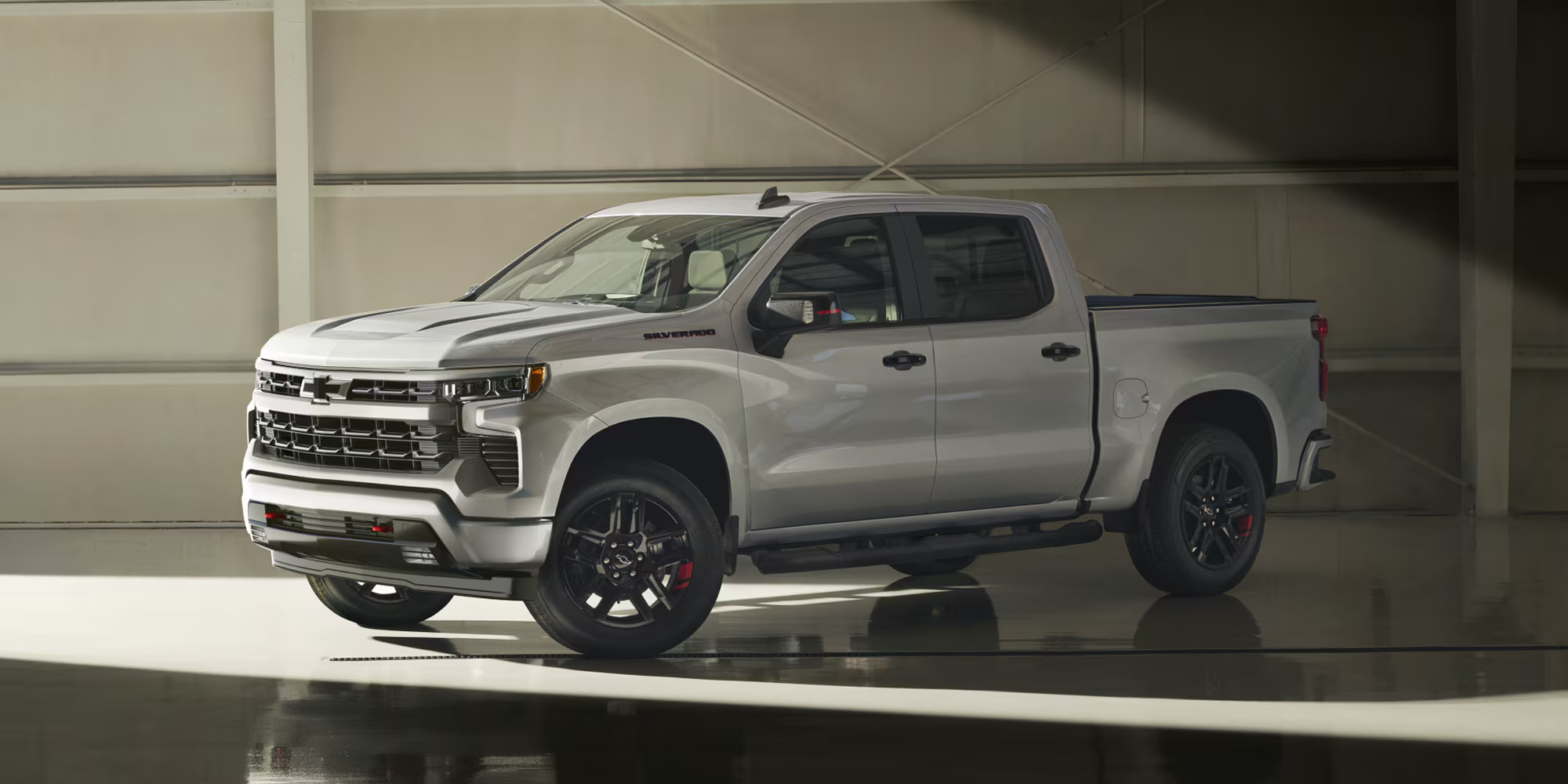
Choosing between the 2026 Silverado vs. Tundra means deciding what matters most for your daily drive and work demands. The Chevy Silverado delivers proven muscle with versatile engine choices and class-leading towing numbers that appeal to traditionalists. Toyota’s Tundra counters with a modern hybrid powertrain strategy, pairing twin-turbo efficiency with electric torque assistance.
Both full-size pickups bring distinct philosophies to capability, technology, and value, making your decision hinge on whether you prioritize raw horsepower or forward-thinking engineering.
2026 Silverado vs. Tundra: Quick Comparison Overview
The Silverado 1500 vs. Tundra debate centers on two fundamentally different approaches to truck design. Chevrolet offers a broader engine menu, from efficient four-cylinders to diesel torque, giving buyers flexibility to match powertrain to purpose. The Silverado’s established reputation for durability and straightforward mechanics resonates with owners who value simplicity and widespread service availability.
| Feature | 2026 Chevrolet Silverado 1500 | 2026 Toyota Tundra |
| Max Towing Capacity | Up to 13,300 lbs | Up to 12,000 lbs |
| Max Payload Capacity | Up to 2,260 lbs | Up to 1,940 lbs |
| Max Horsepower | 420 hp (6.2L V8) | 437 hp (i-FORCE MAX Hybrid) |
| Max Torque | 495 lb-ft (Duramax Diesel) | 583 lb-ft (i-FORCE MAX Hybrid) |
| Seating Capacity | Up to 6 (Crew Cab) | Up to 5 |
| Bed Tie-Downs | 12 standard | 4 standard |
Toyota’s next-generation Tundra takes a completely different path. Every model features twin-turbocharged V6 engines, with hybrid variants adding electric motors for enhanced torque delivery. This standardized approach simplifies the buying process while delivering consistent performance across trim levels. The Tundra’s modern engineering reflects Toyota’s shift toward electrified drivetrains without abandoning truck fundamentals. When you’re ready to browse our new Silverado inventory at Monument Chevrolet, you’ll see firsthand how Chevrolet’s powertrain variety matches different driver needs.
Interior refinement separates these competitors as much as their engines. The Tundra emphasizes premium materials and tech-forward cabins that rival luxury brands. Silverado counters with practical ergonomics, more cab configurations, and technology focused on usability over flash. Your preference between these philosophies often determines which truck feels right during a test drive.
Engine Power and Performance
Powertrain options reveal where these manufacturers place their bets for the future. The Chevy Silverado vs Tundra performance story starts under the hood, where distinct engineering strategies create different driving experiences.
Chevrolet Silverado Powertrain Options
The 2026 Silverado lineup provides choices that span efficiency to brute strength. The base TurboMax 2.7-liter four-cylinder delivers 310 horsepower and 430 lb-ft of torque, providing best-in-class standard torque for daily driving and moderate towing without fuel penalties. Buyers seeking traditional V8 rumble can opt for the 5.3-liter EcoTec3 engine producing 355 horsepower and 383 lb-ft of torque, while the 6.2-liter EcoTec3 V8 unleashes 420 horsepower and 460 lb-ft of torque, rocketing from 0-60 mph in just 5.5 seconds.
Diesel enthusiasts get the 3.0-liter Duramax turbo-diesel, generating 305 horsepower but a substantial 495 lb-ft of torque. This engine excels at towing efficiency, matching the 6.2L V8’s maximum 13,300 lbs towing capacity while delivering best-in-class highway fuel economy. This makes it the preferred choice for drivers who tow heavy loads frequently. The 2.7L TurboMax pairs with an 8-speed automatic transmission, while the 5.3L V8, 6.2L V8, and Duramax diesel each use a 10-speed automatic, delivering smooth shifts and optimal gear ratios for various driving conditions.
What the Silverado lacks is hybrid integration. While competitors embrace electrification, Chevrolet sticks with its traditional combustion-only approach. This strategy keeps initial costs lower and avoids concerns about battery longevity, but it sacrifices fuel economy advantages that hybrid systems provide.
Toyota Tundra Powertrain Options
The Toyota Tundra next-generation powertrain centers on a twin-turbocharged 3.4-liter V6 that produces 358 horsepower and 406 lb-ft of torque on the SR trim, while higher trims generate 389 horsepower and 479 lb-ft of torque. This engine replaces the previous 5.7 V8, trading displacement for forced induction and modern efficiency. Turbocharging delivers stronger low-end torque, making throttle response feel more immediate than naturally aspirated competitors.
The real innovation comes with the i-FORCE MAX hybrid option. This system adds an electric motor integrated into the 10-speed automatic transmission, boosting total output to 437 horsepower and 583 lb-ft of torque, with 0-60 mph acceleration in 5.7 seconds. Electric assistance eliminates turbo lag entirely while improving fuel economy (a rare combination in full-size trucks).
Toyota’s commitment to standardization means fewer powertrain choices but consistent capability across the lineup. Every Tundra uses the same transmission architecture, simplifying service and creating predictable performance characteristics. The hybrid system adds weight but enhances towing smoothness through electric torque fill, particularly useful when launching with heavy loads.
Towing and Payload Capabilities
The Toyota Tundra vs Chevy Silverado towing comparison reveals meaningful differences in maximum numbers and real-world capability. Silverado’s maximum towing capacity reaches 13,300 pounds when properly equipped with the Duramax diesel, exceeding the Tundra’s 12,000-pound limit by 1,300 pounds. Payload capacity similarly favors Chevrolet, with certain configurations handling up to 2,260 pounds in the bed compared to Tundra’s 1,940 pounds.
These advantages matter for Houston-area drivers hauling larger boats to Galveston Bay or towing equipment across long Gulf Freeway commutes. The extra towing capacity accommodates heavier trailers without maxing out ratings, while additional payload means loading more supplies without concern. Silverado’s 12 standard bed tie-downs compared to Tundra’s 4 provide more cargo securing options for professional haulers.
The Tundra’s hybrid torque delivery provides smoother launches and better control on grades, making the towing experience feel less stressful despite lower peak numbers. Electric motors fill power gaps during transmission shifts, maintaining momentum that purely mechanical drivetrains can’t match. When maximum capacity determines which truck you can bring home, Silverado’s spec advantages create more flexibility for demanding work.
Interior Space, Comfort, and Technology
Cabin experiences distinguish these trucks as clearly as their powertrains. The Toyota Tundra vs Chevrolet Silverado interior comparison reveals different priorities in materials, layout, and feature integration.
Cab Configurations and Passenger Room
Silverado offers multiple cab styles: Regular Cab, Double Cab, and Crew Cab configurations. This variety lets buyers optimize interior space versus bed length for their specific needs. Crew Cab models seat up to 6 passengers with rear legroom exceeding 43 inches, providing genuine adult comfort. Front seats offer multiple adjustment options, and higher trims include heating, ventilation, and massage functions.
The Tundra simplifies choices with Double Cab and CrewMax configurations, seating up to 5 passengers. CrewMax models prioritize rear-seat comfort with a flat floor and generous legroom that matches the Silverado’s best efforts. Toyota’s interior design emphasizes premium materials, with soft-touch surfaces and thoughtful storage solutions throughout. The center console is massive, easily accommodating laptops or tool boxes.
Both trucks provide comfortable highway cruising, but the Tundra’s sound insulation slightly reduces road and wind noise. Silverado counters with more upright seating that some drivers prefer for visibility and long-distance comfort. Test both to determine which seating position and cabin ambiance suits your preferences.
Infotainment and Driver-Assistance Features
Technology integration separates modern trucks from previous generations. Silverado leads with advanced features including a 13.4-inch touchscreen and 15-inch head-up display on higher trims. Google built-in integration provides seamless smartphone connectivity and voice command functionality. The Multi-Flex Tailgate offers 6 functions for improved bed access, while Super Cruise with trailering capability enables hands-free highway driving.
The Tundra counters with its own comprehensive technology package. The interface responds quickly, with intuitive menus that minimize distraction. Wireless Apple CarPlay and Android Auto come standard, along with multiple USB ports and wireless charging. Higher trims feature larger screens with split-screen functionality for simultaneous navigation and audio control.
Driver-assistance technologies are comprehensive in both trucks. Toyota Safety Sense includes adaptive cruise control, lane departure warning, automatic emergency braking, and blind-spot monitoring as standard equipment. Silverado’s Safety Assist bundle offers similar features with Super Cruise available for hands-free highway driving. Both systems meet modern safety expectations, though Toyota typically earns slightly higher ratings from NHTSA and independent testing organizations.
Fuel Efficiency and Operating Costs
The Chevy Silverado 1500 vs Toyota Tundra fuel economy comparison shows distinct advantages depending on powertrain selection. The following EPA estimates reveal how engine choice impacts your fuel budget:
| Powertrain | Silverado 1500 | Tundra |
| Base Engine | 18 city/21 hwy/20 combined mpg | 18 city/23 hwy/20 combined mpg |
| Duramax Diesel | Up to 23 city/28 hwy mpg | N/A |
| Hybrid | N/A | 19-20 city/22-24 hwy mpg |
| Max Driving Range | ~624 miles (Diesel) | ~708 miles (Hybrid RWD) |
Silverado’s Duramax diesel delivers best-in-class highway fuel economy at 28 mpg, making it ideal for long-distance towing or Gulf Freeway commutes common in the Houston area. The turbocharged four-cylinder offers competitive efficiency around 20 mpg combined, while V8 options drop to 16-17 mpg combined. For buyers prioritizing fuel economy without hybrid complexity, the diesel presents the strongest case.
Tundra’s i-FORCE MAX hybrid achieves impressive numbers for a full-size truck, with some configurations reaching 22-24 mpg highway. The hybrid system excels in stop-and-go traffic where electric assistance reduces fuel consumption most effectively. Non-hybrid Tundras manage respectable numbers thanks to the efficient twin-turbo V6, though they don’t match Silverado’s diesel highway performance.
Operating costs extend beyond fuel, of course. Toyota’s reputation for reliability suggests lower long-term maintenance expenses, though Chevrolet’s widespread dealer network makes service more accessible in many areas, particularly around Pasadena and Houston. Hybrid systems add battery replacement considerations years down the road, while traditional engines require regular maintenance that any mechanic can perform. Consider your local service options and typical annual mileage when calculating total ownership costs.
Pricing, Trim Levels, and Overall Value
The Silverado vs Tundra reliability and value equation starts with base pricing. Silverado Work Truck models begin around $36,900, offering capable work-truck fundamentals without frills. Moving up to LT, RST, and LTZ trims adds convenience and comfort features, with top-tier High Country models approaching $70,000 with options.
Tundra pricing starts higher, around $41,260 for base SR models. The Toyota vs Chevrolet pricing gap reflects different brand positioning: Chevrolet emphasizes value while Toyota emphasizes quality perception. Tundra trim progression includes SR5, Limited, Platinum, and range-topping Capstone models, with all 2026 models featuring turbo V6 power and optional hybrid upgrades on select trims.
When you’re ready to discuss specific pricing for your needs, you can get pre-approved for financing to understand your budget before shopping. Resale value historically favors Toyota trucks, which retain higher percentages of original MSRP after five years. This offsets higher initial costs for buyers planning long-term ownership or eventual trade-in. Silverado’s lower entry price appeals to budget-conscious buyers and fleet managers prioritizing upfront savings. Neither choice is objectively better; your decision depends on whether you value initial affordability or long-term value retention.
Test Drive the 2026 Chevy Silverado at Monument Chevrolet in Pasadena, TX
Experience the Silverado Difference in Person
Specs and reviews only tell part of the story. The Chevy vs Toyota trucks debate resolves itself when you experience both behind the wheel. Visit Monument Chevrolet in Pasadena to explore the complete Silverado lineup in person. Our family-owned Chevy dealership near Houston has served Pasadena and surrounding cities for over 50 years, building relationships based on transparency and straightforward pricing.
Why Choose Monument Chevrolet
Our campus-style facility makes browsing easy, with separate buildings for sales, service, and parts. You can compare multiple Silverado configurations side-by-side, from efficient four-cylinder models to powerful V8 variants. Our team understands that truck buyers have specific needs, whether you’re towing equipment daily, hauling materials for weekend projects, or simply want a capable family vehicle.
Schedule Your Test Drive Today
Monument Chevrolet offers personalized financing options tailored to your budget, with no hidden fees or pressure tactics. Our certified Chevy service center employs factory-trained technicians using genuine Chevrolet parts, ensuring your truck maintains peak performance throughout ownership.
Contact our team today to schedule a test drive and discover why the Silverado continues earning loyalty from drivers who demand capability, comfort, and value.
Image courtesy of Chevrolet
Connect with us


