





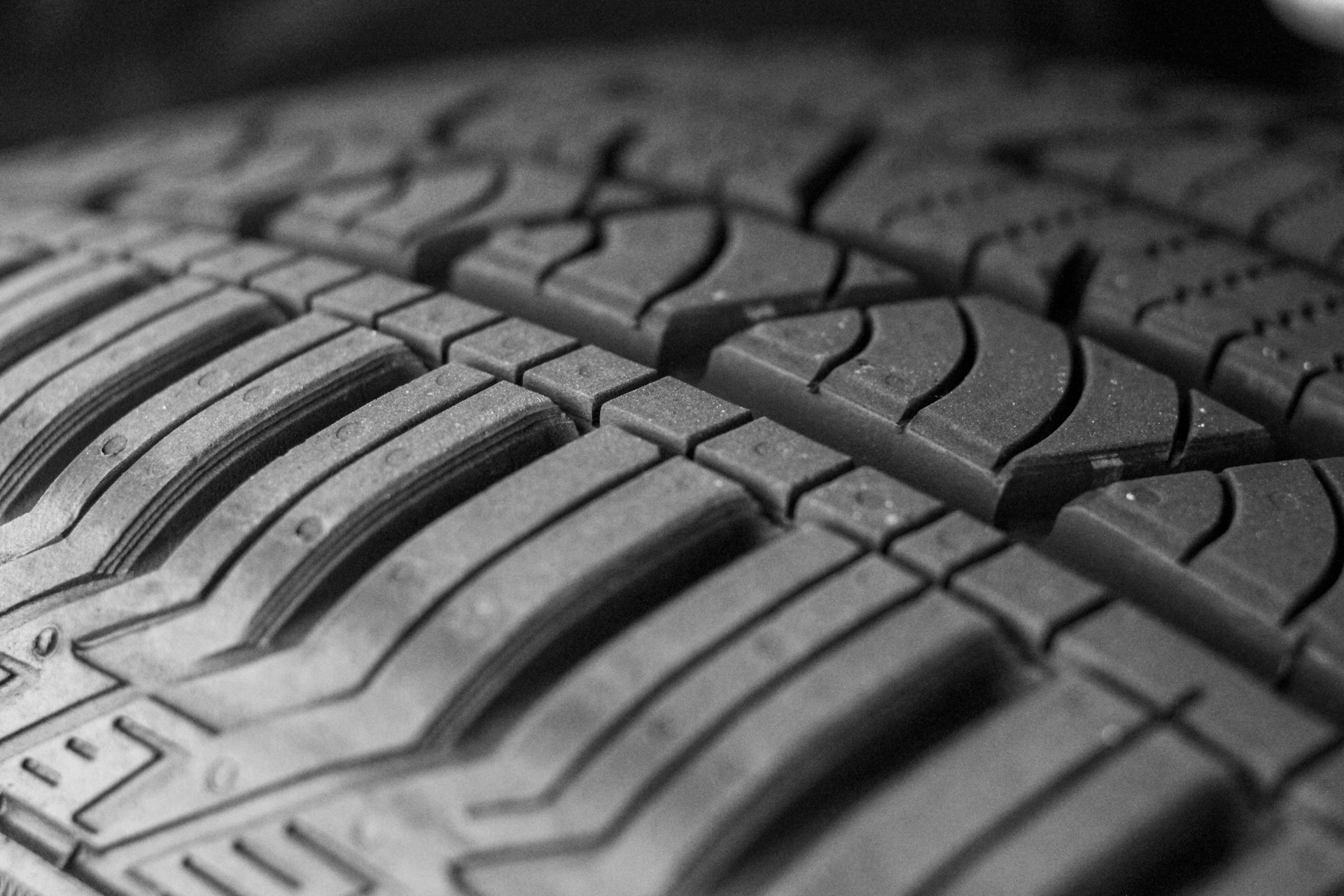
That steady roar on the freeway can wear you down. It can also make you wonder if something is failing. In many cases, the sound really is coming from the tires. Other times, a nearby rotating part creates noise that feels like tire noise. There are many possible causes of road noise, and we are here to help Houston drivers track down and fix what is causing it.
Common Causes of Loud Tire Noise
Tire noise usually comes back to tread design, tire wear, or inflation. A wheel bearing, bent wheel, or worn suspension component can also mimic tire noise while driving.
Road surface plays a role, too. Rough concrete can make the same tires sound much louder than smooth asphalt. To narrow down the cause of tire noise, note a few key details:
- The speed where the sound begins and how it changes as speed increases
- Whether the pitch changes on different road surfaces or after changing lanes
- If you feel vibration in the steering wheel, seat, or floor
- Whether the sound changes during a gentle turn
If the noise starts suddenly and you notice a bulge or feel a strong shake, treat it as urgent. Have your tires checked at our Chevy service center in Pasadena.
Worn or Uneven Tire Tread
A common answer to the question, “Why are my tires making noise?” is uneven tread wear. Thin tread can get louder, but irregular wear is often the bigger issue. It creates repeating high and low spots that slap against the road.
Many safety guidelines recommend replacing tires at 2/32 of an inch of tread depth. That is when the built-in wear bars become visible across the grooves.
Uneven wear patterns that often create loud tires include cupping, feathering, and heel-and-toe wear. Cupping causes a rhythmic roar. Feathering can feel sharp in one direction when you run your hand across the tread blocks. Heel-and-toe wear can create a steady hum that rises with speed.
Once a tire wears into a pattern, the noise may remain until the tire is replaced. Tire rotation can sometimes shift the noise and slow additional wear.
Improper Tire Pressure
Improper inflation is one of the most common tire noise causes we see in the shop. Underinflation can wear the outer shoulders, while overinflation wears the center of the tread. Both conditions create uneven tread blocks, and uneven blocks create more noise while driving.
Check tire pressure at least once a month and before road trips. Always check it when the tires are cold, before driving. Inflate to the pressure listed on the driver-side door label, not the maximum pressure shown on the tire sidewall.
If your tire pressure warning light comes on, check inflation soon. Driving on underinflated tires builds heat, and heat can damage a tire from the inside.
Wheel Bearing Failure
A worn wheel hub bearing can sound like a tire problem. It often presents as humming, rumbling, or growling and usually gets louder with speed.
One helpful clue is how the sound reacts during a gentle turn. If the noise increases when you steer slightly left, the failing bearing is often on the right side because the load shifts across the suspension.
Grinding noises while the vehicle is moving are a serious warning sign. If you hear grinding, schedule an inspection promptly. Bearing problems can worsen quickly and often hide behind loud tire noise.
Wheel Alignment and Suspension Issues
Alignment problems usually create noise after they cause abnormal wear. Toe and camber issues can scrub the tread, leading to edge wear and feathering. Over time, that wear can result in loud tire noise at steady highway speeds.
Suspension wear can accelerate the process. Worn shocks or struts allow the tire to bounce, which can cause cupping. Cupping is especially loud. If you recently hit a pothole or curb and noticed a change in noise shortly afterward, it is smart to have both alignment and suspension checked.
Tire Imbalance and Rotation Problems
If the noise is accompanied by vibration, tire imbalance is a strong possibility. An out-of-balance tire and wheel assembly can wobble, creating a thumping sound that appears at certain speeds and eventually leads to louder tread wear.
Regular rotation is your best defense against uneven wear. Many vehicles require tire rotation every 5,000 to 8,000 miles. Skipping rotations is a common cause of tire noise, even on newer tires.
If the noise moves to a different corner of the vehicle after rotation, the tire or wheel position is likely involved. If it stays in the same location, bearings, hubs, or suspension components may be the issue.
Tire Type and Quality Factors
Sometimes nothing is actually broken. Some tires are simply louder due to their design. Aggressive tread patterns create more noise as air moves through the grooves and tread blocks strike the road. Off-road and all-terrain tires often growl on smooth highways.
If you are asking what causes noisy tires when tread depth and inflation are both good, consider the tire category. Highway touring tires are typically quieter than traction-focused designs. Some tires also include sound-reducing materials inside the casing to help reduce cabin noise.
People often ask what makes tires quiet. The answer is simple: even wear, a tread pattern designed for road use, and a compound that remains stable as it ages. Ask our team about tires that match your driving habits, not just a marketing label.
If you’re also thinking about a quieter ride in general, browse our new Chevrolet selection in the Houston area. If you decide it’s time for something different, you can also check our used inventory near Houston. We’ll help you get back to a calmer drive and a safer commute.
Schedule Service at Monument Chevrolet
If you are hearing loud tire noise while driving, our team can identify the cause and provide clear next steps. We inspect tread depth and wear patterns, check tire pressure, balance, and alignment, and listen for bearing noise during a road test.
Our trained technicians work on Chevrolet vehicles every day, and we use genuine Chevrolet parts when replacements are needed.
You can schedule your visit online at our service center to pick a time that works. If you want to describe the symptoms first, contact our team here.
Connect with us


