






If you’re a Houston resident who owns or is considering the purchase of a commercial vehicle, it’s essential to understand the rules and regulations that come with it. Texas has a well-defined set of laws that govern the operation, licensing, inspection, and maintenance of commercial trucks. Whether you’re driving a heavy-duty Chevy Silverado 3500 for your construction business or managing a fleet of box trucks for deliveries, staying compliant isn’t just about avoiding fines—it’s about safety, accountability, and long-term success.
From federal oversight to state-specific requirements, the regulations can seem overwhelming at first. But having a solid grasp of the basics will help you make smart decisions and keep your business running smoothly. Let’s break down the key commercial vehicle regulations in Texas that every current or future commercial truck owner should know.
Federal Regulations
Texas commercial vehicle operators must comply with the Federal Motor Carrier Safety Regulations (FMCSRs), established by the Federal Motor Carrier Safety Administration (FMCSA). These rules cover everything from driver qualifications and vehicle maintenance to hours-of-service limits and safety equipment requirements.
If your vehicle is over 10,000 lbs. or you’re involved in interstate commerce, these federal regulations apply to you. This includes keeping detailed records, conducting routine inspections, and ensuring your drivers are properly trained. Even if you operate within Texas, many of these federal rules still apply due to the size or purpose of your vehicle.
Understanding FMCSA guidelines helps reduce liability and promotes safer roadways—something every commercial vehicle owner should prioritize.
State Regulations
The Texas Department of Public Safety (DPS) has a dedicated Commercial Vehicle Enforcement (CVE) division. Their job is to ensure that all commercial vehicles operating in Texas are in compliance with both state and federal laws. Officers perform roadside inspections, enforce weight limits, and monitor hazardous material transport.
One key point to remember: any vehicle with a gross weight rating of 26,001 lbs. or more, or a vehicle used to transport hazardous materials, will be subject to more stringent inspections. Regular maintenance, proper signage, and compliance with load regulations are essential to avoid costly penalties.
In short, DPS enforcement is serious about commercial vehicle safety—and being prepared helps you avoid delays and fines.
Commercial Driver’s License (CDL) Requirements
If you’re planning to operate a larger commercial vehicle, you’ll likely need a Commercial Driver’s License (CDL). In Texas, a CDL is required for:
- Vehicles with a gross vehicle weight rating (GVWR) of 26,001 lbs. or more
- Vehicles designed to transport 16 or more passengers
- Vehicles used to transport hazardous materials
There are three classes of CDL—Class A, B, and C—depending on the type and weight of the vehicle you’re driving. Each class has different testing, training, and medical certification requirements. It’s also important to stay current with any endorsements you may need, such as for air brakes or tanker vehicles.
Before you invest in a commercial truck, it’s crucial to ensure you or your drivers have the proper licensing in place.
Inspections and Maintenance Requirements
All commercial vehicles in Texas are subject to annual safety inspections. The Texas Department of Public Safety Vehicle Inspection (Form VI-82) outlines the specific criteria that commercial vehicles must meet, including brakes, lights, tires, steering, suspension, and more.
Fleet managers and truck owners are expected to keep accurate maintenance records and ensure all repairs are completed in a timely manner. If your vehicle doesn’t pass inspection, it can’t be legally operated until it’s brought up to standard.
Keeping your truck in top shape isn’t just a regulatory issue—it’s also a safety and operational priority. That’s why working with a dealership like Monument Chevrolet, which offers certified commercial truck repair and OEM parts, can help you stay compliant and avoid downtime.
Hours of Service (HOS) Regulations
Texas follows Hours of Service (HOS) regulations for commercial drivers to reduce driver fatigue and increase roadway safety. These rules limit how long a driver can operate a vehicle without taking a break. For example:
- Drivers can drive a maximum of 11 hours after 10 consecutive hours off duty
- They cannot drive beyond the 14th hour after coming on duty
- A 30-minute break is required after 8 hours of driving
- Drivers must take 34 consecutive hours off duty to reset their weekly limit
These rules apply to most long-haul and delivery drivers, and failure to comply can result in fines, citations, and increased liability in the event of an accident. Keeping accurate driving logs—whether digital or manual—is crucial to staying compliant.
Shop Commercial Trucks in Pasadena, TX
Texas has a wide array of commercial vehicle regulations, and whether you’re already behind the wheel or shopping for your first truck, it’s important to know the rules. From federal safety standards to state inspections and licensing, understanding these regulations helps you stay compliant, protect your business, and keep everyone safe on the road.
If you’re in the market for a dependable commercial truck, or if you need parts and repairs for your current fleet, Monument Chevrolet in Pasadena, TX, is here to help. We offer a wide selection of new Chevy commercial trucks, genuine OEM parts, and expert repair services tailored specifically for hardworking vehicles like yours.
Contact our team today or schedule a service appointment to keep your business moving forward—safely, legally, and confidently.
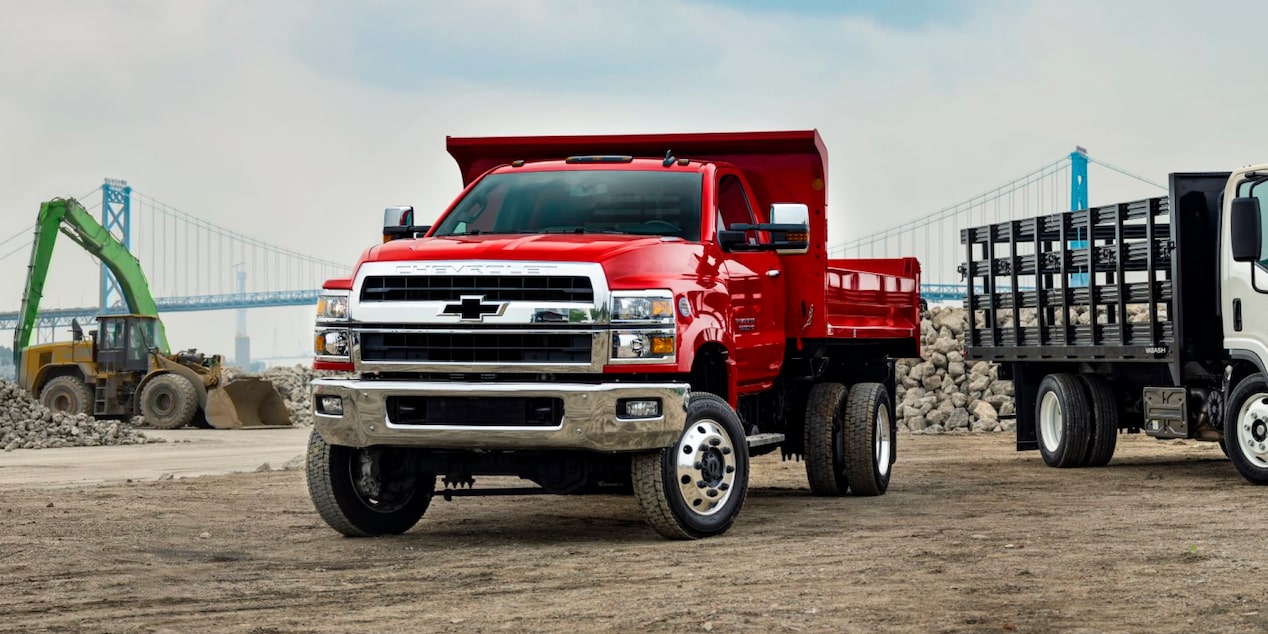
Image courtesy of Chevrolet
Connect with us


